June 9, 2026
A roof used to be viewed primarily as a protective barrier that kept rain out and helped a home stay structurally sound. Today, homeowners expect far more from their roofing systems. They want materials that improve curb appeal, increase energy efficiency, withstand severe weather, and support long-term property value. As expectations continue to rise,
This shift is happening at a time when demand remains high across the housing market. Roof replacements are a frequent necessity due to aging materials, storm damage, and renovation projects. According to Ruby Home, roughly 5 million roofs are installed annually in the United States, highlighting just how significant roofing demand has become. As homeowners place greater emphasis on both appearance and resilience, roofing professionals are taking on broader responsibilities than ever before.
Aesthetics and Home Value
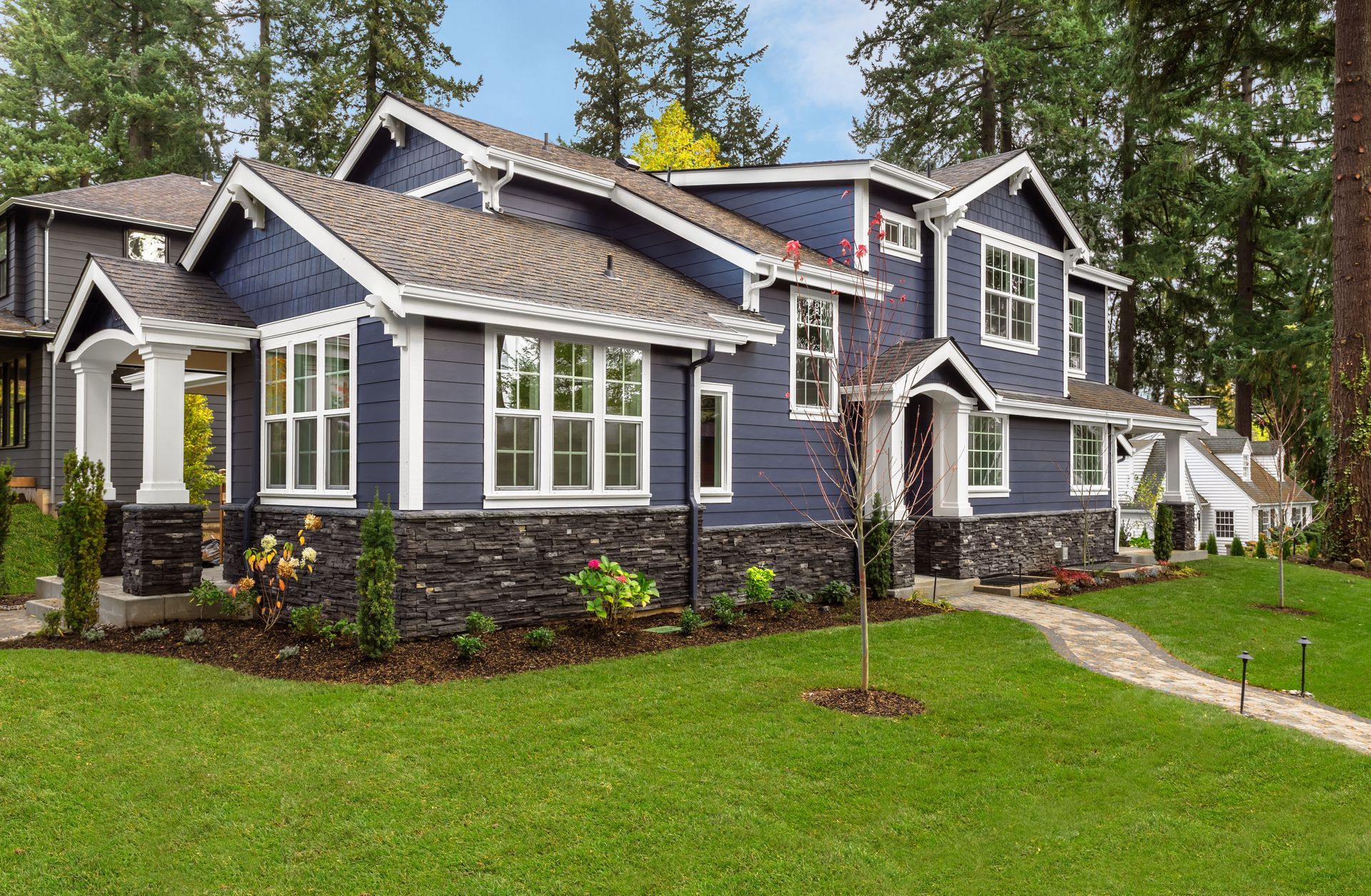
Modern homeowners often see their roof as a major design element rather than a purely functional structure. Roofing materials now come in a wide variety of colors, textures, and styles that can complement everything from traditional suburban homes to modern custom builds. Homeowners may choose architectural shingles, metal roofing, slate alternatives, or designer materials that create a distinct visual identity.
Design plays a pivotal role in increasing the value of residential properties. A well-designed roof not only enhances a home's visual appeal but also significantly influences potential buyers' first impressions, often resulting in a faster sale at a higher price. A unique roofing design can differentiate a property in a crowded real estate market, significantly affecting its perceived value. Therefore, roofing contractors must balance aesthetics with practical durability to elevate a home's market position.
Architectural style is another crucial factor when considering roofing options. Different styles, from Colonial to Victorian to Modern, have specific roofing types traditionally associated with them. Understanding these styles allows contractors to recommend and implement roofing solutions that complement the overall aesthetics of the home while meeting structural requirements. Contractors need to provide compatible and innovative roofing solutions that reflect the homeowner's tastes and architectural legacy. Successfully doing so can transform the home's exterior presentation from ordinary to extraordinary.
This growing emphasis on visual appeal means residential roofing contractors are spending more time helping clients evaluate style preferences alongside practical considerations. Contractors frequently act as consultants by explaining how certain roofing products align with neighborhood aesthetics, homeowners' association requirements, and resale goals. In many cases, homeowners want a roof that improves curb appeal without sacrificing affordability.
Real estate professionals often point to roofing upgrades as one of the improvements that can make a property more attractive to buyers. A worn or outdated roof can quickly raise concerns during home showings or inspections. Because of this, residential roofing contractors are increasingly involved in projects where visual upgrades are just as important as structural improvements.
Weather Resistance and Climate Protection
Extreme weather events have made roof durability a major concern for homeowners in many regions. High winds, hailstorms, heavy snowfall, extreme heat, and intense rainfall can all shorten the lifespan of roofing materials. Homeowners now expect roofing systems to serve as stronger climate shields against increasingly unpredictable conditions.
As a result, residential roofing contractors are being asked to recommend materials specifically designed for regional weather threats. In hurricane-prone areas, impact-resistant shingles and reinforced fastening systems may be prioritized. In colder climates, contractors may focus on ice dam prevention, improved attic ventilation, and moisture barriers that protect homes during harsh winters.
Insurance requirements are also influencing roofing decisions. Some homeowners are upgrading their roofs to qualify for better insurance rates or meet stricter coverage guidelines. Contractors often need to understand local building codes, storm-resistant product standards, and manufacturer warranties to help homeowners make informed decisions.
Efficiency and Sustainability
Energy efficiency has become another major factor in roofing projects. Rising utility costs are pushing homeowners to explore roofing systems that help regulate indoor temperatures and reduce monthly expenses. Reflective roofing materials, improved ventilation systems, and better insulation strategies are becoming more common.
To meet these expectations, residential roofing contractors are increasingly discussing energy performance during consultations. Cool roofs that reflect sunlight can help reduce heat absorption during summer months, while proper ventilation can prevent excess moisture buildup and temperature fluctuations throughout the year.
Sustainability is also shaping homeowner preferences. Many consumers want environmentally responsible materials that reduce landfill waste and support greener construction practices. Residential roofing contractors may now work with recycled shingles, metal roofs made from sustainable materials, and systems designed to support solar panel installations.
These conversations require contractors to stay informed about product innovations and environmental trends. Homeowners are asking more technical questions, and contractors must be prepared to explain both short-term costs and long-term savings.
Maintenance and Long-Term Planning
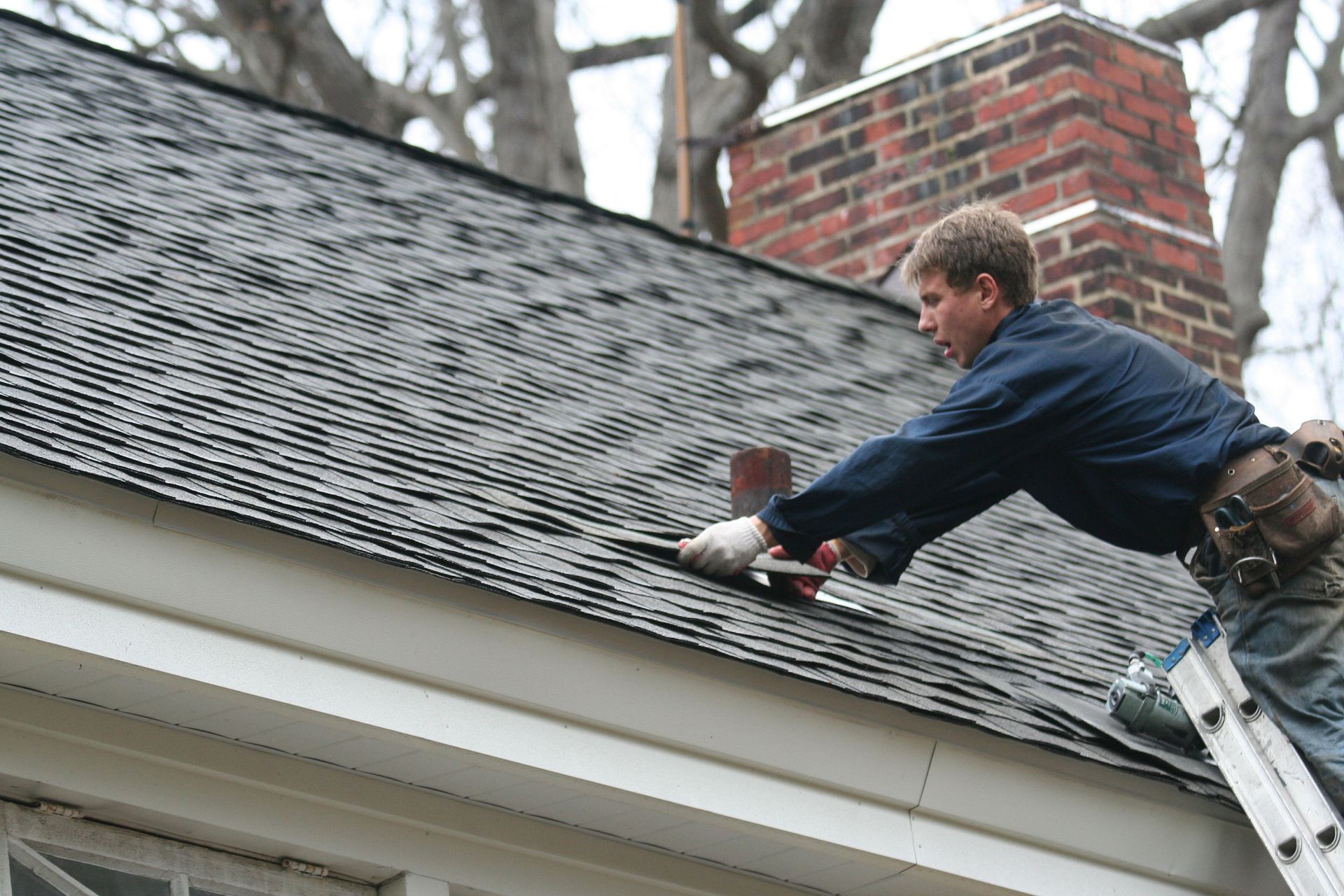
Roofing projects are no longer viewed as one-time installations. Homeowners increasingly want long-term maintenance plans that help extend the life of their roofs and reduce surprise repair costs. Routine inspections, minor repairs, gutter maintenance, and seasonal evaluations have become valuable services.
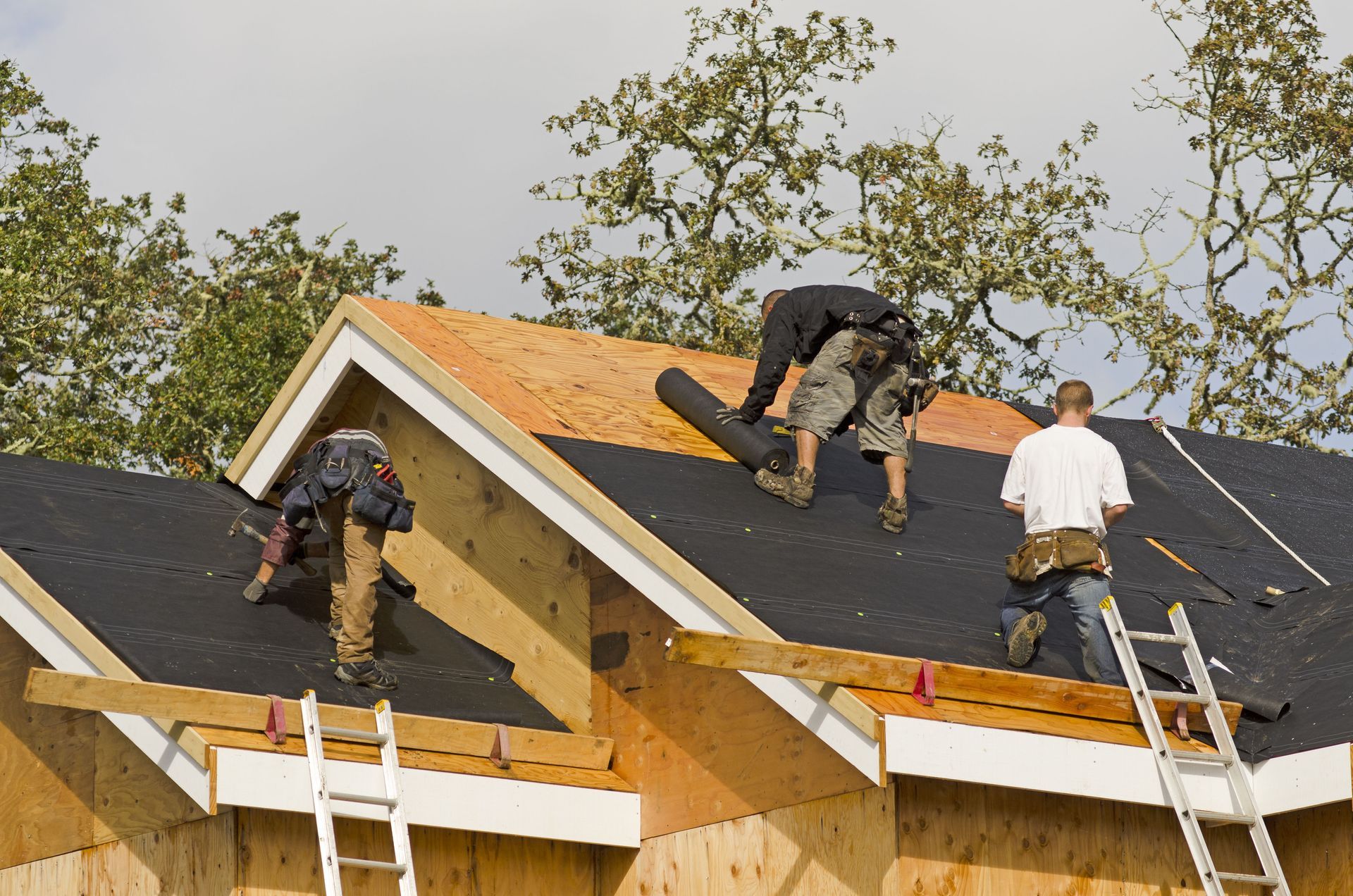
This trend creates additional responsibilities for residential roofing contractors, who often provide ongoing support after installation is complete. Rather than simply replacing a roof and moving on, many contractors now build long-term relationships with homeowners by offering maintenance programs and preventative care recommendations.
Technology is also changing how contractors manage these responsibilities. Drone inspections, moisture detection tools, and digital project documentation allow roofing professionals to identify issues more efficiently. These tools help contractors deliver faster assessments while giving homeowners clearer visibility into the condition of their roofs.
As roofing systems become more advanced, maintenance planning will likely play an even larger role in the industry. Homeowners want confidence that their investment will last, and contractors who provide proactive support may stand out in an increasingly competitive market.
Regulations and Insurance Requirements
Roofing projects are becoming more complex as local regulations and insurance requirements continue to evolve. Municipal building codes frequently change to address safety concerns, energy efficiency standards, and storm preparedness measures. Homeowners may not always be aware of these requirements, which places additional responsibility on contractors to ensure every project meets current standards.
Because of this, residential roofing contractors often spend significant time navigating permits, inspections, and compliance documentation before installation work even begins. Missing a required permit or failing an inspection can delay projects and create unexpected costs for homeowners. Contractors must stay informed about local ordinances and product regulations to help projects move forward smoothly.
Insurance companies are also placing greater scrutiny on roof conditions, especially in regions prone to severe weather damage. Some providers may require roof inspections before issuing or renewing policies, while others may offer discounts for impact-resistant materials. Contractors frequently help homeowners understand what upgrades may improve insurability while reducing future risks.
These administrative responsibilities add another layer to an already demanding workload. Beyond installation expertise, contractors are increasingly expected to serve as advisors who can help homeowners navigate legal requirements, insurance concerns, and long-term property protection strategies.
The role of roofing professionals has expanded far beyond basic repairs and replacements. Today’s homeowners expect roofs to enhance visual appeal, withstand severe weather, reduce energy costs, and deliver long-term value. That growing list of responsibilities is why
residential roofing contractors continue to play such an essential role in protecting modern homes.
If your roof is showing signs of wear or you’re planning an exterior upgrade, Northshore Exteriors, LLC can help you make a smart investment. Our experienced team understands how to balance durability, efficiency, and design to meet your goals. Contact Northshore Exteriors, LLC today to schedule a consultation and protect your home for years to come.