November 9, 2026
In the construction industry, compliance with local building codes is of paramount importance, especially in roofing projects. These regulations ensure that structures are safe, durable, and capable of withstanding varied environmental conditions. Certified roofing contractors play a critical role in upholding these standards, safeguarding public safety, legal adherence, and quality assurance. As the complexity of building codes evolves, the necessity for certified professionals who are well-versed in these codes becomes increasingly evident. Consequently, understanding how certified roofing contractors manage compliance is essential for both clients and industry stakeholders.
Local Building Codes
Definition and Purpose of Building Codes
Building codes are sets of regulations that govern the design, construction, and maintenance of structures. They are intended to protect public health, safety, and general welfare as related to the construction and occupancy of buildings and structures. Municipal authorities develop these codes, ensuring they align with regional needs and conditions. Compliance with building codes means adhering to prescribed standards that address everything from structural integrity to energy efficiency. The objective is to minimize risks, such as structural failure or fire hazards, thereby ensuring the well-being of occupants and sustainability of structures.
The Variability of Codes Across Different Regions
One of the challenges contractors face is the variability of building codes across different regions. These variations arise from local considerations, such as climate, geography, and urban density, which necessitate customized code provisions. For example, seismic activity zones demand different structural codes compared to areas prone to flooding or hurricanes. As a result, roofing contractors must be adept at navigating these differences to ensure project compliance. Having localized understanding helps contractors predict challenges and employ appropriate strategies that align with regional regulations.
How Building Codes Impact Roofing Projects
Building codes impact roofing projects significantly, affecting materials used, design specifications, and installation techniques. For roofing contractors, adhering to these codes means selecting materials that provide adequate insulation, meet fire resistance standards, and offer structural durability. Because codes are updated frequently to incorporate technological advancements and address emerging issues, staying informed is crucial. Non-compliance can lead to project delays, increased costs, or legal repercussions. Importantly, adhering to building codes assures clients of the quality and safety of their roofing systems, enhancing customer satisfaction.
The Legal Implications of Non-compliance
The legal implications of non-compliance with building codes can be severe for contractors. Violations can result in substantial fines, mandatory project modifications, or even legal action. In some jurisdictions, repeated non-compliance can lead to revocation of a contractor's license. For homeowners, non-compliance can affect property value and lead to issues when selling or insuring a property. Thus, ensuring compliance is not only a legal obligation but also a professional and economic necessity for contractors.
Resources for Contractors to Stay Updated on Codes
To stay compliant, roofing contractors need to consistently update their knowledge of relevant building codes. Resources such as local building departments, professional associations, and continuing education courses offer valuable information. Many contractors also subscribe to industry journals and participate in workshops or seminars. Technological tools such as mobile apps and online databases provide easy access to the latest code changes. These resources equip contractors with the necessary information to maintain compliance and deliver quality roofing solutions.
The Certification Process for Roofing Contractors
Requirements for Obtaining Certification
Obtaining certification as a roofing contractor requires meeting specific education, experience, and examination requirements. Prospective contractors must often complete an accredited training program that covers essential aspects of roofing systems and codes. Additionally, a formal exam assessing technical knowledge and code comprehension is typically required. Certifications must be renewed periodically, ensuring that contractors remain informed about the latest industry advancements. Importantly, certification demonstrates a contractor's commitment to professionalism and adherence to established industry standards.
The Role of Licensing Boards
Licensing boards play a pivotal role in regulating the certification of roofing contractors. These boards establish criteria for certification and ensure that candidates meet them before being allowed to practice. They also oversee examinations and manage recertification processes, which may include verifying continued education. Licensing boards are responsible for addressing complaints against contractors and ensuring ethical standards are upheld. Their role is crucial in maintaining the integrity and standard of the roofing industry, thereby safeguarding public welfare.
Continuing Education and Recertification
Continuing education is a foundational component of maintaining certification for roofing contractors. It involves completing periodic training modules that cover new code updates, emerging technologies, and best practices. Recertification processes, often governed by licensing boards, require proof of continuing education credits. These programs ensure that contractors are constantly updating their expertise and adapting to industry evolutions. For clients, a contractor's commitment to continued learning translates to better quality and compliance assurance.
The Benefits of Hiring Certified Contractors
Hiring certified contractors offers numerous advantages to property owners and stakeholders. Certification indicates that a contractor possesses a comprehensive understanding of building codes, reducing the risk of non-compliance. It also assures clients of the contractor's skills in delivering quality workmanship using industry-approved methods. Certified contractors are more likely to employ risk mitigation strategies and adhere to ethical standards. Consequently, they enhance project outcomes, offering peace of mind to buyers and reducing potential liabilities.
Comprehensive Site Assessments
Importance of Pre-project Evaluations
Conducting pre-project evaluations is critical for ensuring code compliance and detecting potential risks. This stage involves assessing the site conditions and identifying preliminary factors that could affect project execution. For roofing projects, site assessments evaluate structural integrity, weather exposure, and potential obstacles. These evaluations provide contractors with key insights that inform project planning and resource allocation. By understanding site-specific requirements, contractors can tailor their approach to align with code mandates and client expectations.
Identifying Potential Code Violations
During site assessments, identifying potential code violations is essential to prevent future complications. Contractors examine existing structures for compliance with current codes, noting discrepancies in materials, installation, or design. By pinpointing these issues early, contractors can devise corrective strategies before initiating construction. In many cases, minor deficiencies can escalate into major non-compliance problems if left unaddressed. Proactive violation identification thus reduces risk and promotes smoother project execution and inspection processes.
Assessing the Condition of Existing Structures
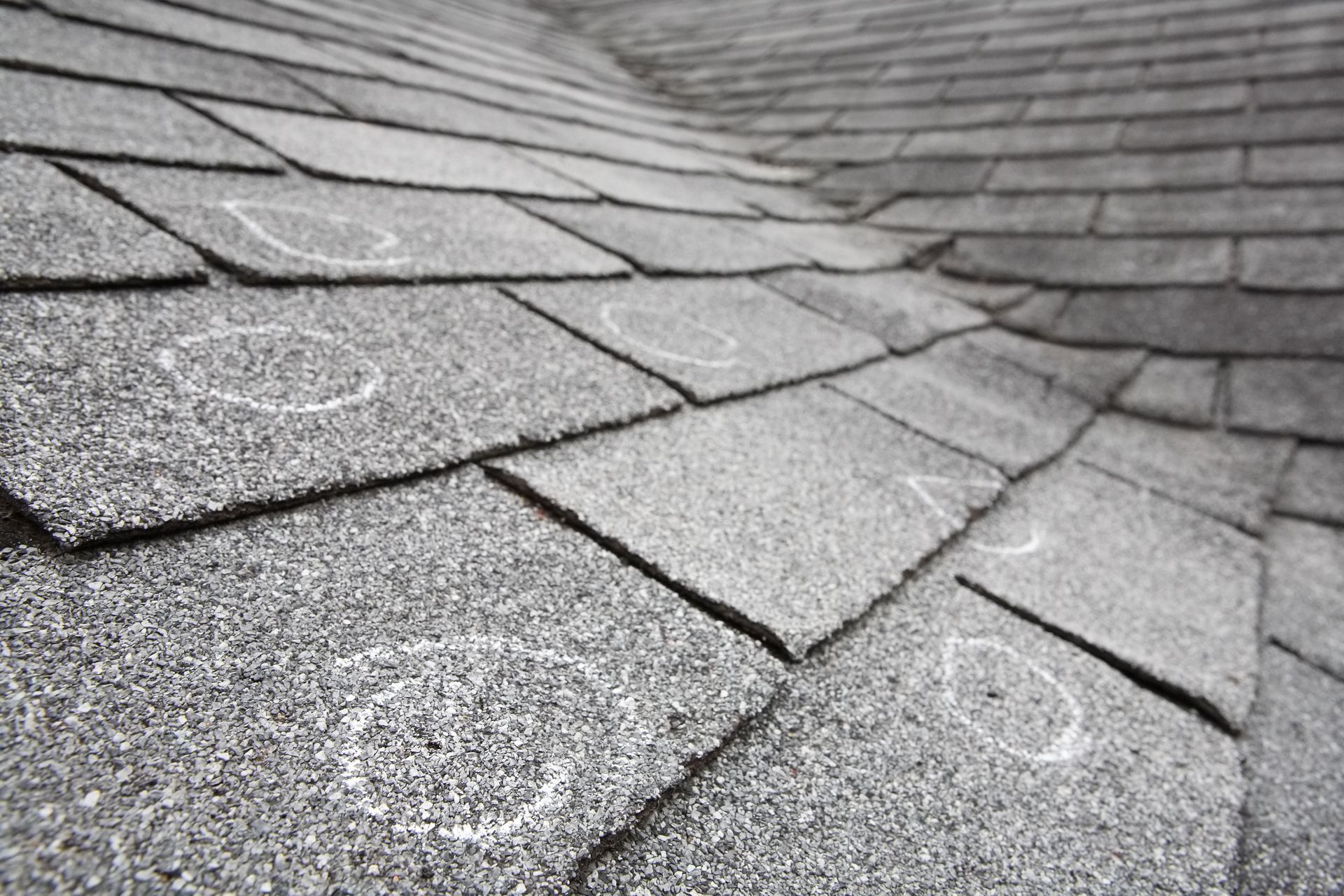
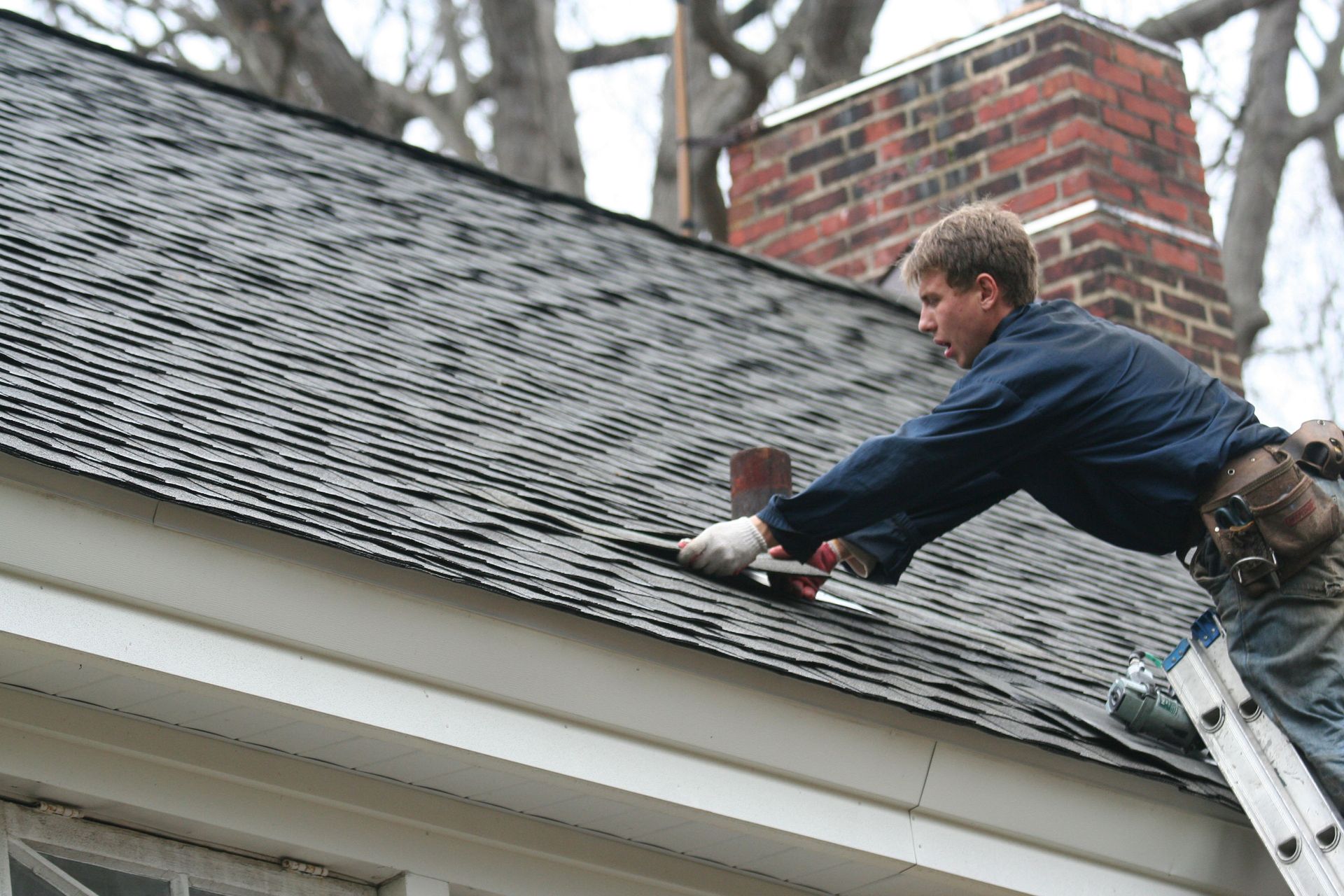
Evaluating the condition of existing structures is a fundamental step in site assessments. Contractors inspect roofs for damage, material wear, and adherence to current standards. According to This Old House, most experts recommend having a professional roof inspection at least once a year. Such regular inspections enable detection of emerging issues that might violate building codes if unattended. Thorough assessments inform necessary maintenance or upgrades, ensuring compliance and extending roof lifespans. Insight gained from condition assessments drives informed decision-making and planning throughout the project.
Mapping Out Project Plans in Accordance with Codes
Mapping out project plans in line with building codes is a critical step following site evaluations. Contractors develop detailed project maps that incorporate code requirements in every phase, from material selection to installation methods. Clear plans guide teams in executing tasks accurately and prevent deviations that could lead to non-compliance. Thoughtful planning also anticipates potential constraints and devises solutions that ensure uninterrupted workflow. By embedding code mandates into plans, contractors strive toward successful, fully compliant project outcomes.
Certified roofing contractors are instrumental in ensuring compliance with local building codes, emphasizing the critical need for adherence in safeguarding public safety, maintaining legal integrity, and guaranteeing quality. Their expertise in code awareness, site assessment, and project management is vital to preventing violations and achieving successful project outcomes. Through strategic planning, coordination with authorities, documentation, and continuous education, certified contractors uphold industry standards and enhance their professional repute. Thus, investing in certified professionals contributes significantly to successful roofing endeavors, enriching both client confidence and industry excellence. If you're looking for reliable
roofing contractors, reach out to Northshore Exteriors, LLC today!