February 9, 2026
Quality and safety are critical considerations when it comes to any roofing project, whether it involves a minor repair or a full roof replacement. Homeowners rely on skilled professionals to protect their property, investment, and personal safety throughout the process. Understanding how roofing contractors maintain high standards can help property owners feel confident in their hiring decisions.
Following Industry Standards and Best Practices
One of the primary ways roofing companies ensure quality and safety is by adhering to established industry standards and best practices. These guidelines outline proper installation methods, material usage, and safety protocols that reduce risks and improve long-term performance. By following recognized standards, contractors help ensure roofs meet structural and durability expectations.
Best practices also evolve as materials and building techniques advance. Experienced contractors stay informed about updates to codes and manufacturer recommendations. This ongoing commitment allows them to deliver work that aligns with current expectations rather than outdated methods that may compromise performance or safety.
Consistent adherence to standards creates uniform results across projects. It ensures that roofing systems are installed to perform as intended, protecting homes from weather exposure and minimizing the likelihood of premature failure.
Investing in Training and Labor
Skilled labor is a cornerstone of quality roofing work. Professional roofing contractors invest in training programs that educate workers on installation techniques, material handling, and safety awareness. Proper training reduces errors and improves efficiency on the job site.
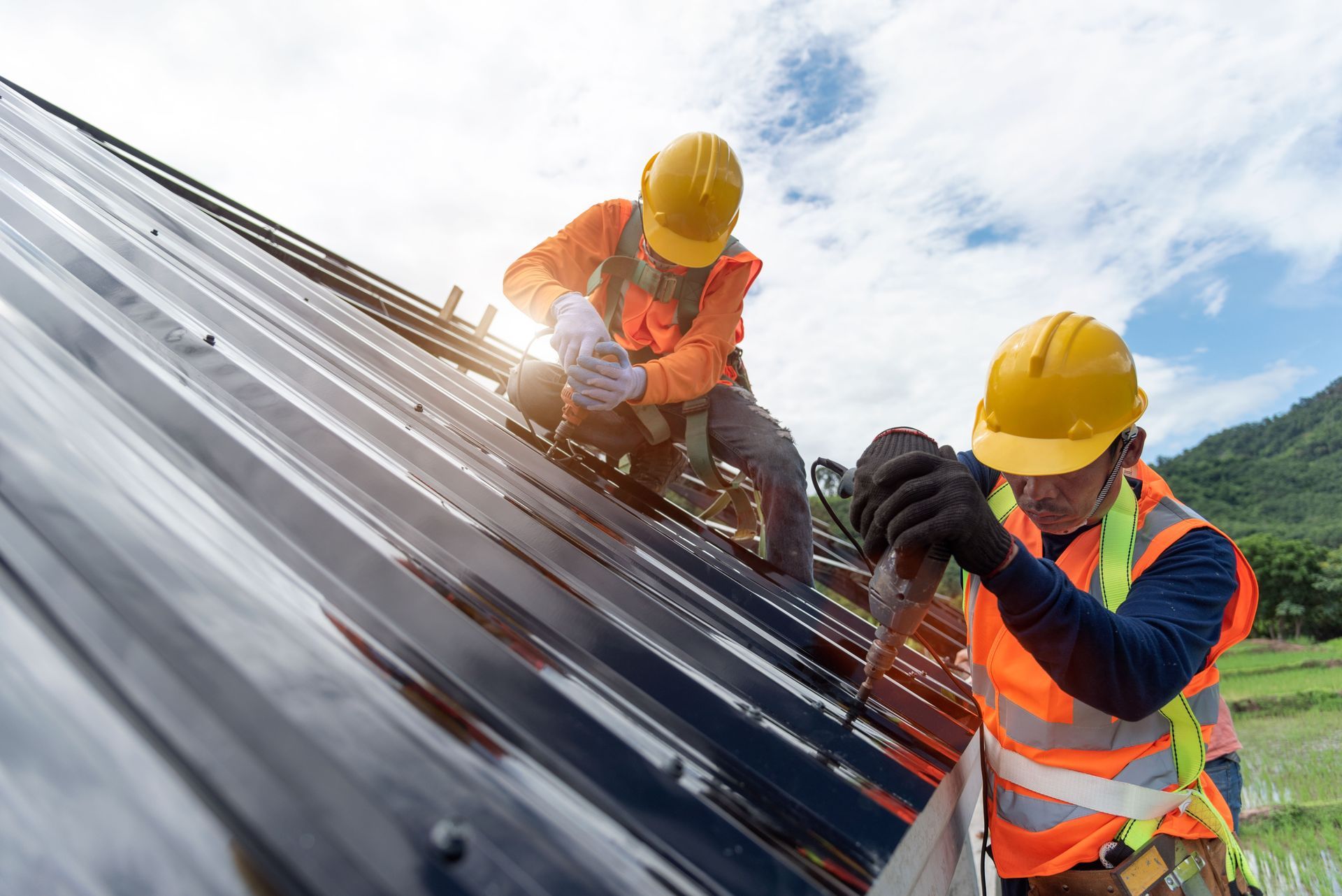
Safety training is particularly important in roofing, where workers operate at heights and handle heavy materials. Contractors emphasize fall protection, ladder safety, and proper equipment to reduce accidents. A well-trained team is better prepared to identify potential hazards and respond appropriately.
Ongoing education also supports quality outcomes. As roofing products and systems change, trained professionals can apply new techniques correctly, ensuring the finished roof meets modern performance standards.
Using High-Quality Materials and Products
Material selection plays a significant role in both quality and safety. Reputable roofing companies work with trusted suppliers to source materials that meet performance requirements and manufacturer specifications. High-quality materials provide better resistance to weather, impact, and wear over time.
Using appropriate materials also affects installation safety. Products designed for specific applications reduce the need for risky adjustments or makeshift solutions. Contractors familiar with these materials can install them efficiently and securely.
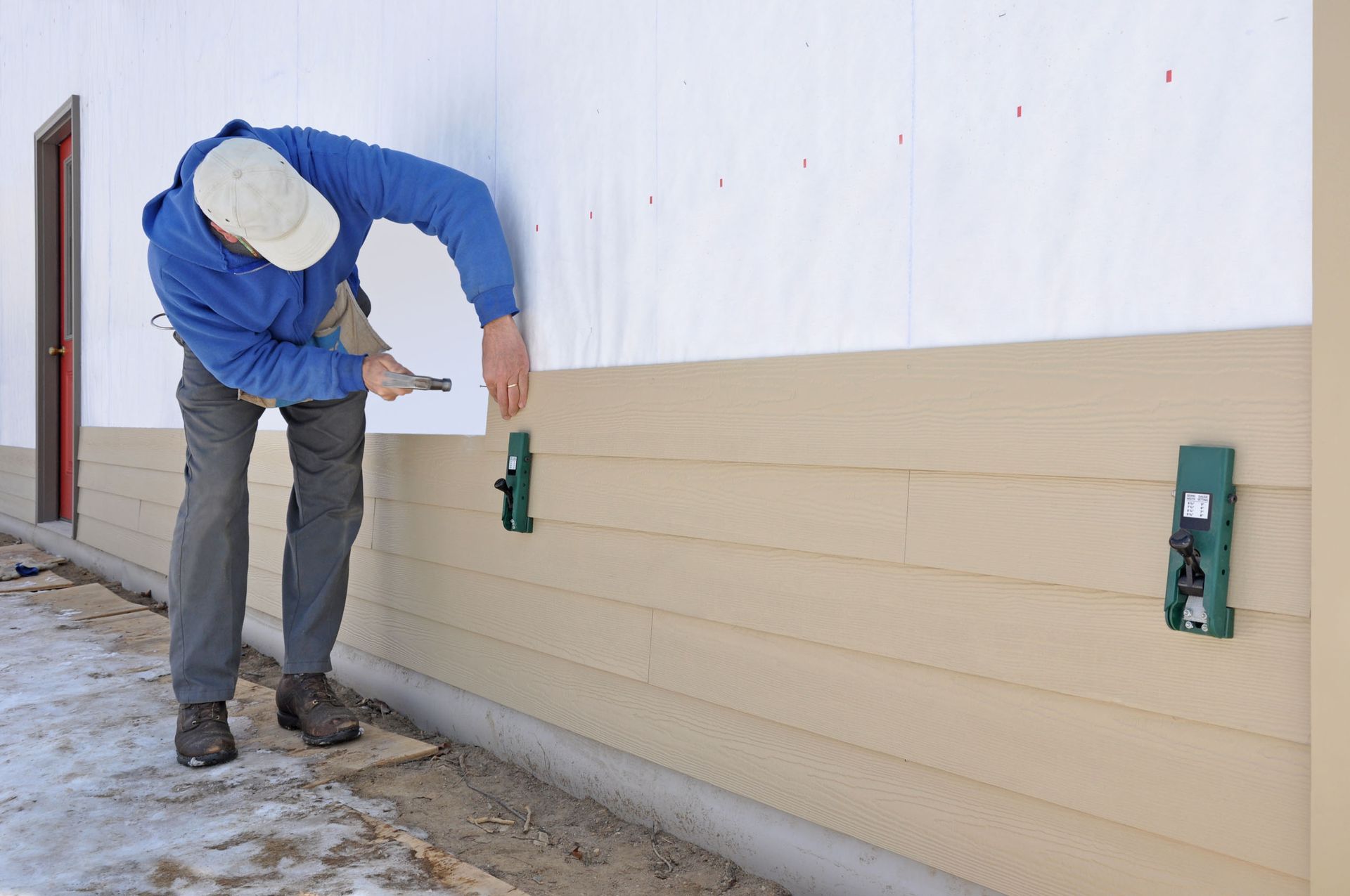
The roofing industry continues to evolve alongside broader construction trends. According to Freedonia Group, demand for residential siding in the U.S. is forecast to increase less than 1.0% annually to 84.7 million squares in 2027, valued at $10.6 billion. This highlights the importance of professional material selection and installation across exterior building components, including roofing systems.
Conducting Thorough Inspections and Assessments
Before work begins, roofing contractors perform detailed inspections to assess existing conditions. Identifying structural issues, moisture damage, or ventilation problems helps prevent surprises during construction. These evaluations allow contractors to plan repairs accurately and safely.
Inspections also support quality assurance throughout the project. Contractors may conduct interim checks to ensure materials are installed correctly and aligned with specifications. Addressing small issues early reduces the risk of larger problems later.
Final inspections provide confirmation that the roof meets safety and quality expectations. This step ensures all components are secure, properly sealed, and ready to perform under varying weather conditions.
Implementing Comprehensive Protocols
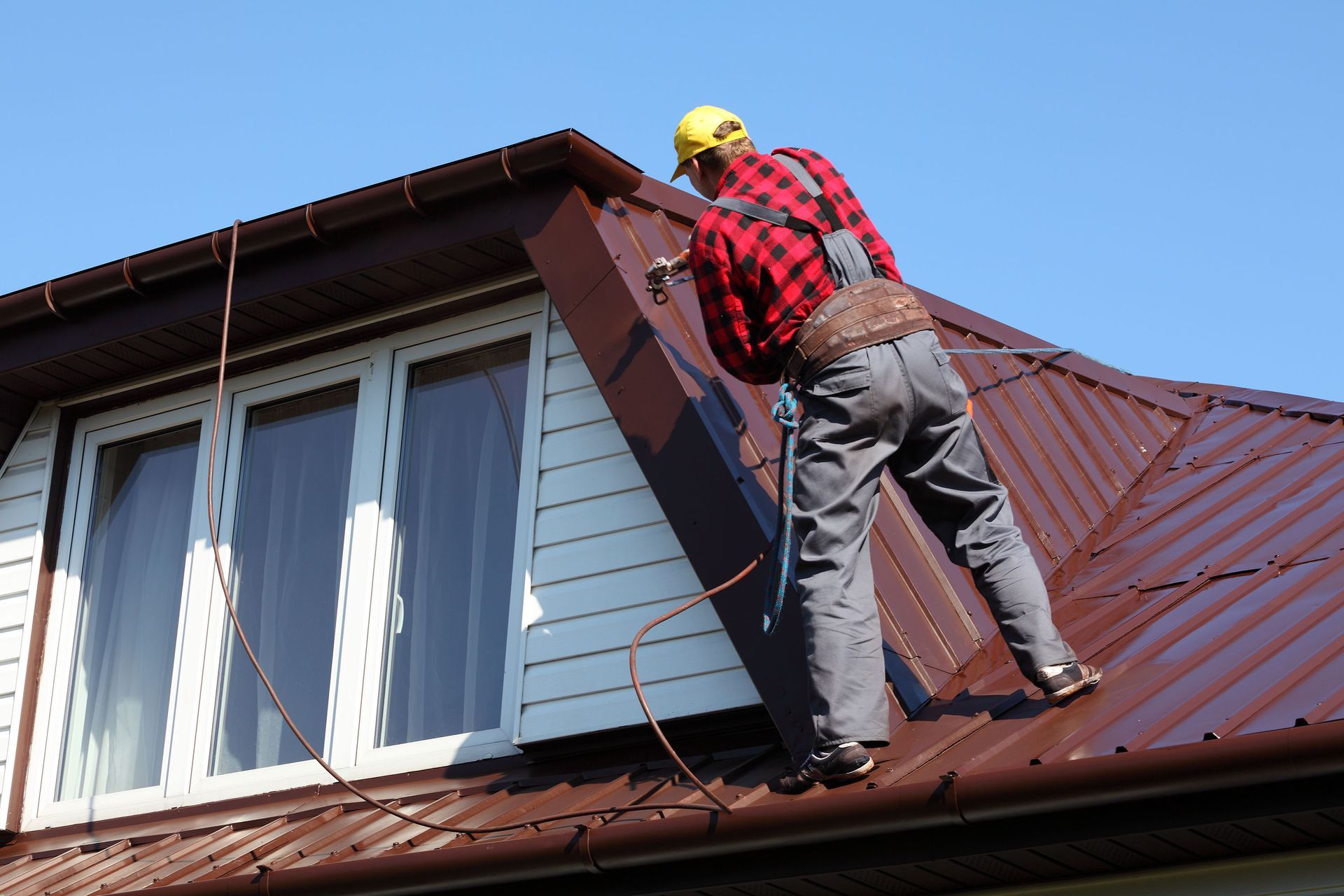
Safety protocols are essential on every roofing project. Professional roofing companies establish clear procedures for fall protection, equipment usage, and site management. These measures protect workers, homeowners, and surrounding property.
Common safety practices include harness systems, guardrails, and clearly marked work zones. Contractors also ensure tools and materials are stored properly to prevent accidents. A controlled job site reduces risks and keeps projects running smoothly.
By prioritizing safety protocols, contractors demonstrate responsibility and professionalism. This focus not only protects workers but also minimizes liability and disruption for property owners.
Maintaining Compliance With Local Codes
Building codes exist to ensure structures are safe, durable, and compliant with local regulations. Roofing contractors stay informed about code requirements that apply to their service areas. Compliance helps ensure roofs meet minimum safety and performance standards.
Code adherence also affects insurance coverage and property value. Non-compliant work can lead to fines, failed inspections, or costly corrections. Contractors who understand and follow codes help homeowners avoid these complications.
Working with knowledgeable a roofing contractor simplifies the permitting and inspection process. Their familiarity with local requirements ensures projects proceed without unnecessary delays or setbacks.
Managing Projects With Clear Communication
Clear communication supports both quality and safety throughout a roofing project. Contractors who explain timelines, procedures, and expectations help homeowners understand what to expect at every stage of the process. This transparency reduces misunderstandings, minimizes disruptions, and builds trust between the contractor and the homeowner. When clients know how long work will take and what activities will occur each day, they can better prepare their household and surrounding property.
Effective communication also improves safety coordination among crew members. Workers who clearly understand daily tasks, role assignments, and potential hazards are better prepared to perform their responsibilities safely and efficiently. Regular briefings and updates help ensure everyone follows the same safety protocols, reducing confusion and preventing accidents caused by miscommunication.
Project management practices, such as detailed scheduling, progress updates, and documented milestones, further support quality outcomes. Organized workflows help contractors maintain consistency, address issues quickly, and stay focused on details that directly impact durability, performance, and overall workmanship.
Providing Warranties and Accountability
Warranties reflect a contractor’s confidence in their work. Many roofing contractors offer warranties covering materials, workmanship, or both. These assurances protect homeowners if issues arise after installation, such as leaks, premature wear, or installation-related defects that may not be immediately visible. Understanding the terms of these warranties helps homeowners know what is covered, how long the coverage lasts, and what steps are required to maintain protection.
Accountability extends beyond warranties. Reputable contractors stand behind their work and address concerns promptly, even when issues fall outside standard warranty coverage. This level of responsibility reinforces quality standards and encourages careful workmanship from the start, as contractors are motivated to minimize callbacks and ensure long-term performance. Clear communication and documentation further support accountability throughout the project lifecycle.
Knowing that a contractor offers guarantees provides peace of mind. It shows that quality and safety are not just priorities during construction but long after the project is complete, giving homeowners confidence that their investment is protected over time.
Adapting to Environmental and Structural Factors
Every roofing project presents unique challenges related to climate, building design, and surrounding conditions. Professional roofing companies assess these factors when planning installations. Tailoring solutions to the environment helps ensure durability and performance.
For example, roofs in areas prone to high winds or heavy snowfall require specific materials and fastening methods. Contractors who understand these requirements can implement systems that withstand local conditions safely.
Adapting to structural factors also improves safety during installation. Proper planning reduces the need for risky adjustments and ensures the roof integrates seamlessly with the existing structure.
Quality and safety are the foundation of successful roofing projects, and experienced roofing contractors achieve both through training, standards, materials, and careful planning. Their commitment to inspections, safety protocols, and code compliance protects homeowners and workers alike. By understanding these practices, property owners can make informed decisions and invest confidently in professional roofing services. If you are looking for a reliable roofing contractor, contact Northshore Exteriors, LLC today to learn more and get started!