November 13, 2026
A roof does more than finish a home's appearance. It protects interior spaces, influences energy performance, and affects how buyers evaluate a property's condition. Professional residential roofing contractors help homeowners understand which roofing improvements may preserve value and which concerns deserve attention before they become expensive problems.
Home value is influenced by many factors, including location, market conditions, and the condition of the entire property. Roofing work cannot guarantee a particular resale return. Still, appropriate maintenance and well-planned improvements can strengthen a home's appeal and reduce uncertainty about future repairs. Here are five ways professional roofing services contribute to that broader picture.
Improving the Home’s Exterior Appearance
Refreshing Visible Roof Surfaces
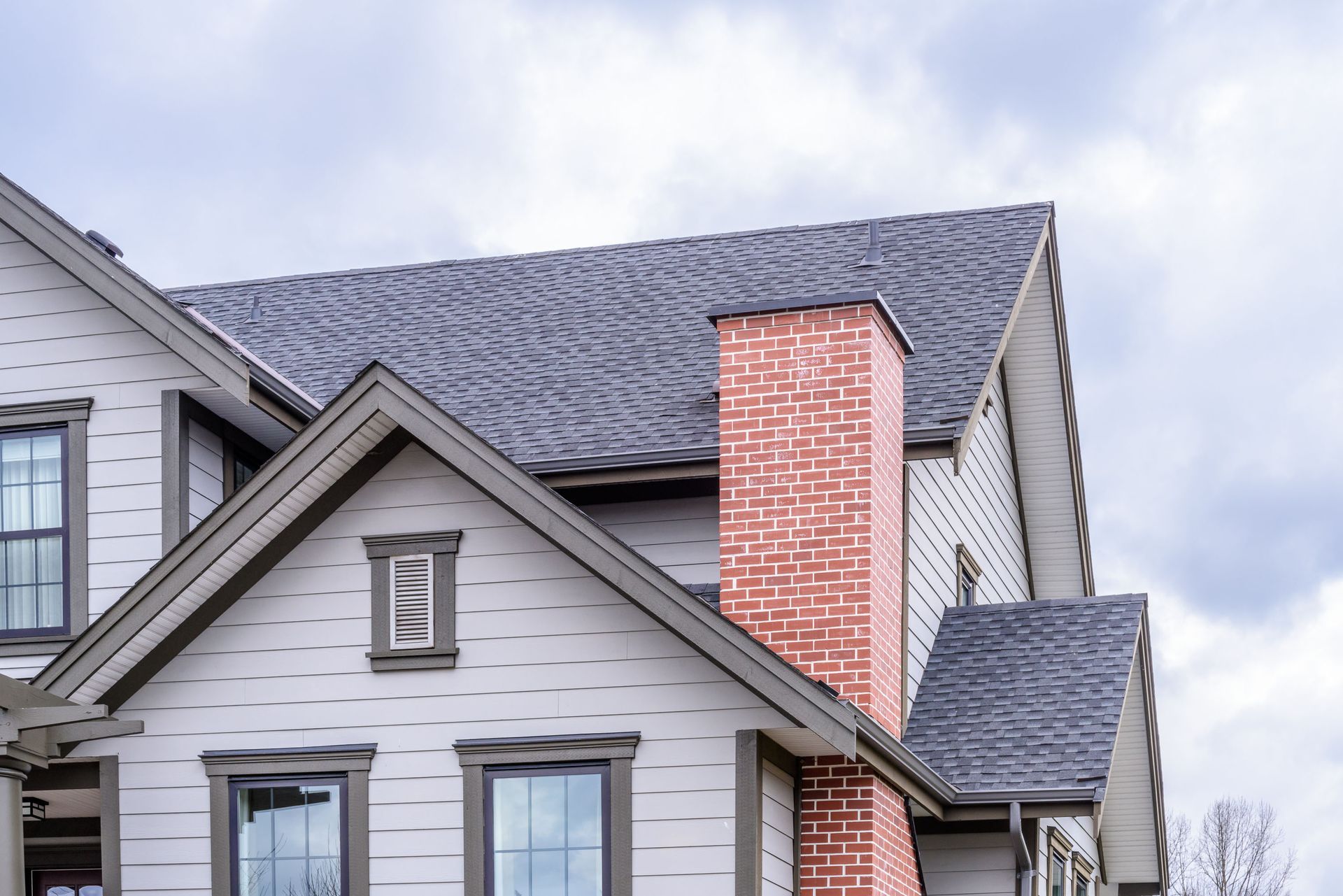
A roof occupies a large portion of the exterior, especially on homes with prominent slopes. Worn shingles, discoloration, and inconsistent repairs can make an otherwise maintained property appear tired. Appropriate roofing work can create a cleaner, more coordinated appearance without changing the home’s architectural character. The appropriate recommendation depends on the roof’s age, condition, and surrounding building features.
Coordinating Architectural Details
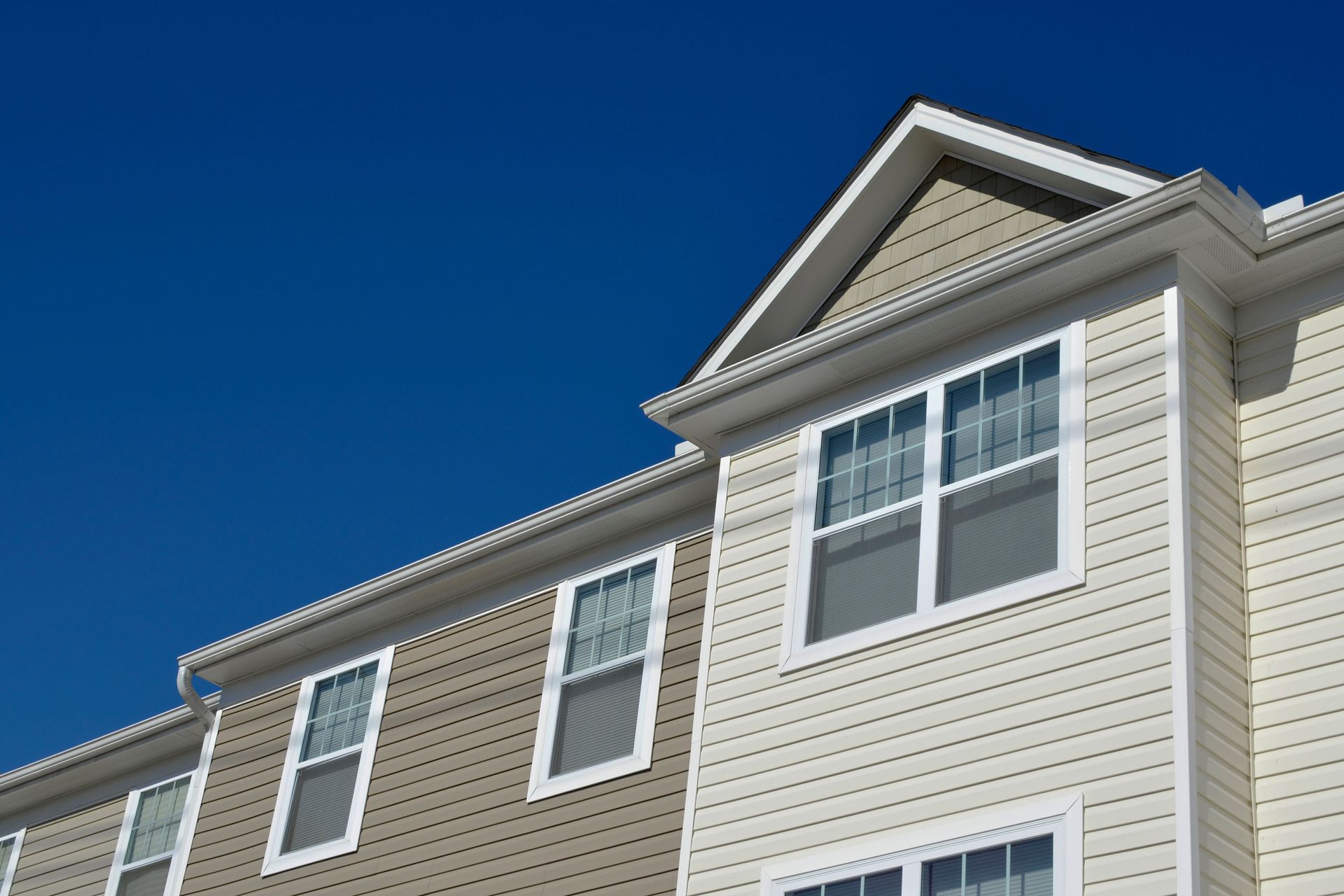
Roofing materials should complement siding, trim, masonry, and other visible finishes. Color and profile choices influence whether the exterior feels balanced. Residential roofing contractors can explain material options and practical limitations so aesthetic decisions remain compatible with the home’s structure and climate. Clear explanations help homeowners distinguish necessary repairs from optional appearance improvements.
Addressing Noticeable Wear
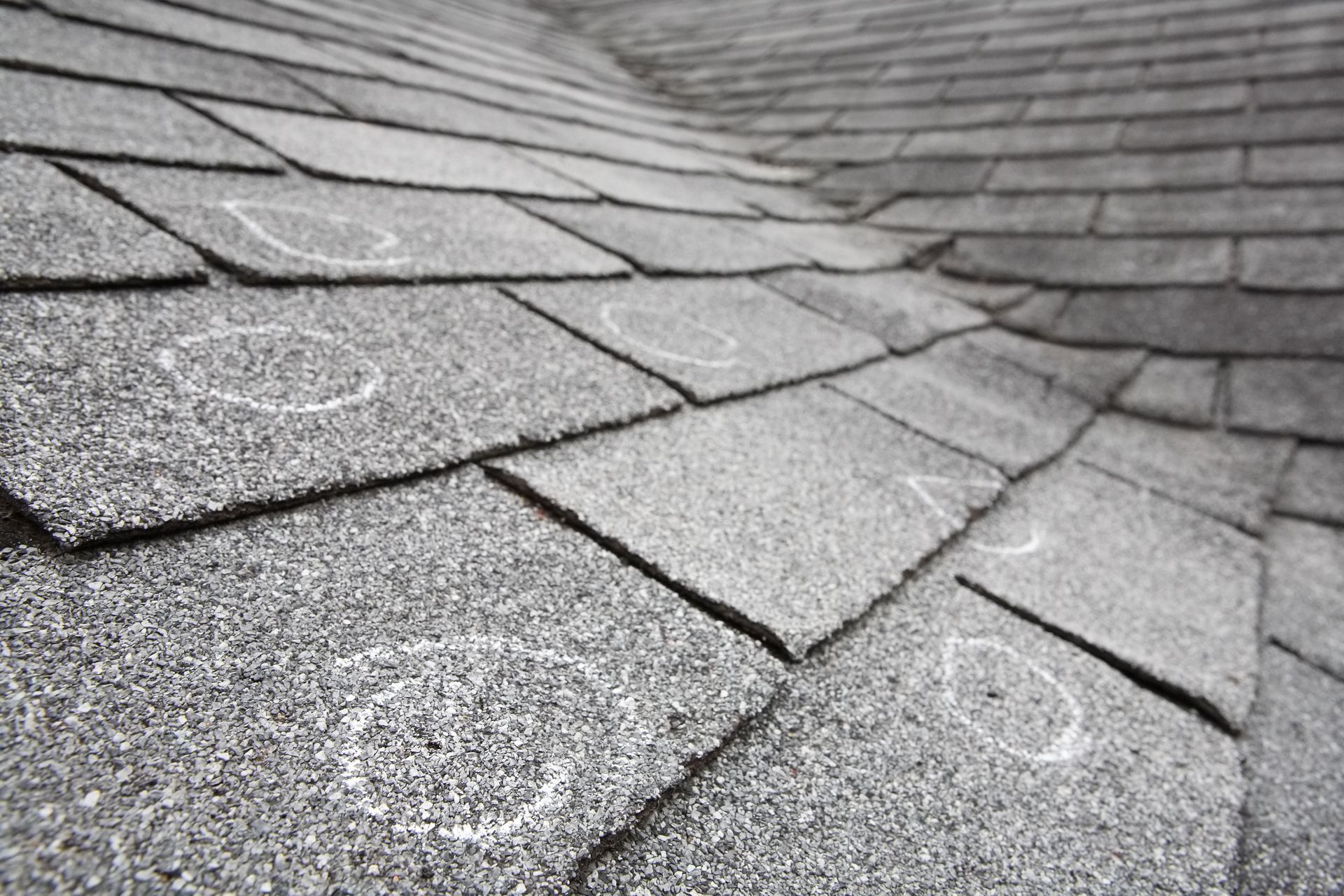
Missing materials, damaged flashing, and uneven sections can draw attention during a property viewing. These signs may also indicate conditions that require investigation. A professional assessment helps distinguish isolated repair needs from broader deterioration, allowing homeowners to make decisions based on condition rather than appearance alone. Experienced residential roofing contractors can explain the relevant options. This context supports more informed planning without promising a specific financial return.
Preserving Neighborhood Character
Roof designs vary across neighborhoods, from traditional shingles to distinctive architectural materials. An improvement that respects the home and its surroundings may feel more cohesive than an unusual style chosen without context. Local rules or association requirements may also influence available options. Individual property conditions should guide decisions rather than broad claims about every roofing system.
Strengthening Protection Against Weather
Evaluating Vulnerable Areas
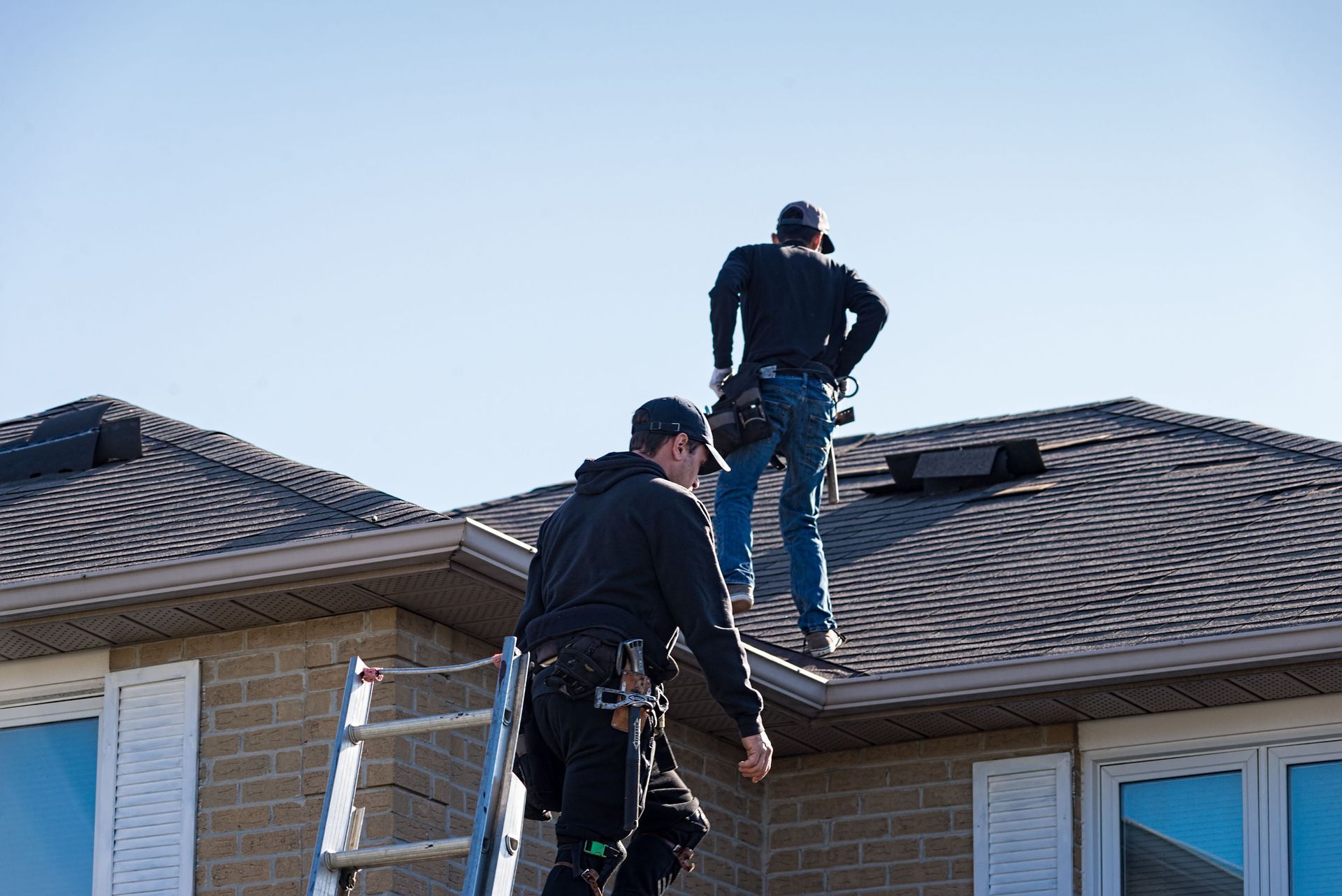
Roof penetrations, valleys, edges, and flashing transitions deserve attention because they can be exposed to concentrated water flow. Professional inspections help identify visible concerns before interior damage develops. Timely repairs can protect finishes and belongings that contribute to a home’s overall condition. The appropriate recommendation depends on the roof’s age, condition, and surrounding building features.
Managing Rainwater Movement
A roofing system must direct water toward appropriate drainage paths. Damaged components or blocked drainage can create moisture problems around roof edges and building surfaces. Residential roofing contractors consider how roofing details interact with gutters and other exterior features when evaluating performance. Clear explanations help homeowners distinguish necessary repairs from optional appearance improvements.
Responding to Storm Damage
Wind, hail, and falling debris can affect roofs in ways that are not obvious from the ground. A qualified inspection can document observed damage and clarify potential repair needs. Homeowners should avoid assuming that every storm requires replacement or that an undamaged appearance proves everything is sound. This context supports more informed planning without promising a specific financial return.
Reducing Moisture Exposure
Water intrusion can damage insulation, ceilings, framing, and other building components. Identifying and correcting roof-related moisture concerns helps protect the broader property. The value of this work often lies in preventing avoidable deterioration rather than creating a visible upgrade for visitors.
Supporting Efficient Home Performance
Considering Roof Ventilation
Roof and attic ventilation conditions can influence moisture accumulation and temperature patterns. Appropriate design depends on the building and climate. Roofing professionals may identify ventilation concerns during inspections and explain when additional evaluation is needed rather than recommending one solution for every home.
Reviewing Insulation Connections
Roofing and attic insulation serve different functions but interact in the building envelope. Poorly coordinated work can leave comfort concerns unresolved. Homeowners benefit when professionals explain which conditions fall within roofing scope and which require an insulation or building-performance specialist.
Choosing Appropriate Materials
Roofing products vary in durability, weight, appearance, and performance characteristics. Manufacturer specifications and local requirements matter when comparing them. Material selection should reflect the home’s structure and environmental conditions, not simply a claim that one product always provides superior value.
Understanding Energy Expectations
Some roofing choices can influence solar heat absorption, but actual household energy results depend on many factors. Climate, insulation, ventilation, and equipment efficiency all matter. Professional guidance helps homeowners consider potential benefits without assuming that a roof replacement guarantees lower utility bills.
Reducing Uncertainty for Future Buyers
Documenting Completed Repairs
Records of inspections, repairs, and replacement work can help explain a roof’s maintenance history. Buyers may appreciate clear information about what was addressed and when. Residential roofing contractors can provide relevant documentation for their completed work, subject to the details of the service agreement.
Clarifying Roof Condition
Visible aging does not always reveal remaining service life. Professional assessments can identify observed conditions and recommend suitable next steps. This information may help sellers prepare for questions and allow buyers to distinguish documented concerns from assumptions about an older roof.
Explaining Warranty Coverage
Roofing warranties vary by manufacturer, product, and installation agreement. Coverage may have limitations, registration requirements, or transfer rules. Homeowners should understand the actual terms rather than assuming that every replacement includes identical protection or that a warranty automatically transfers during a sale.
Planning Around Inspection Findings
Home inspections may identify roofing concerns that influence negotiations or repair requests. Addressing known issues beforehand can reduce last-minute uncertainty, although it cannot guarantee a particular transaction outcome. Clear professional findings help homeowners decide which work is appropriate for their situation.
Preserving Value Through Ongoing Care
Recognizing Early Warning Signs
Water stains, loose materials, and recurring leaks deserve attention because small problems can develop into wider damage. Residential roofing contractors can evaluate the source and recommend suitable repairs. Homeowners should seek professional guidance rather than relying on appearance alone to determine urgency.
Scheduling Condition Assessments
Roofing needs change with age, weather exposure, and previous maintenance. Periodic assessments can help identify emerging issues and establish reasonable priorities. The appropriate frequency depends on the roof and local conditions, so a fixed schedule may not suit every property.
Coordinating Exterior Maintenance
Roofing interacts with gutters, siding, ventilation openings, and other exterior components. A problem in one area can affect nearby materials. Coordinated maintenance helps homeowners understand these relationships and avoid treating each visible symptom as an unrelated issue.
Balancing Repairs and Replacement
A full replacement is not always necessary when a roof develops a problem. Conversely, repeated isolated repairs may not address widespread deterioration. Professional evaluation helps homeowners compare options based on condition, anticipated use, and realistic long-term goals.
According to IBISWorld, the U.S. roofing contractors industry is valued at $103.6 billion in 2026. The size of the market underscores how significant roofing work is across residential and other properties. For individual homeowners, however, the right decision depends on their roof’s actual condition and financial priorities.
A sound roof supports a home’s appearance, weather protection, and future marketability. The greatest benefit comes from work suited to the property rather than promises of a guaranteed return. Contact Northshore Exteriors, LLC to discuss an inspection or improvement plan with our residential roofing contractors and learn which options fit your home.