August 10, 2026
Choosing the right roof system is one of the most important decisions involved in protecting a commercial property. The material selected can influence repair frequency, energy consumption, drainage performance, interior comfort, and the total cost of ownership for decades. Because buildings differ in size, structural capacity, climate exposure, occupancy, and budget, there is no single material that works for every project. Understanding the major commercial roofing options allows owners, facility managers, architects, and contractors to compare durability, installation requirements, maintenance needs, and long-term value before committing to a system.
Built-Up Roofing Systems
Built-up roofing, commonly called BUR, is one of the oldest low-slope roof systems still in widespread use. It is created by alternating layers of bitumen with reinforcing fabrics to form a thick, waterproof membrane.
BUR is valued for dependable waterproofing, strong resistance to heavy use, and a long service history. However, the installation process can be labor-intensive, and hot-applied asphalt may require special safety procedures, ventilation, and skilled crews. The system is also relatively heavy, so the building structure must be able to support it. Routine inspections should focus on blisters, cracks, open flashing, ponding water, and clogged drainage components. With proper care, a well-installed system can provide decades of reliable service.
Modified Bitumen Membranes
Modified bitumen roofing builds on the layered design of BUR while incorporating polymers that improve flexibility and temperature resistance. The material is commonly manufactured in reinforced rolls or sheets, making application more controlled than traditional built-up methods.
This system is a practical commercial roofing choice for properties exposed to changing temperatures, regular rooftop access, or moderate physical wear. Drawbacks include the need for careful seam installation and experienced labor, especially when open-flame techniques are used. Owners should schedule inspections to identify cracks, loose seams, damaged flashing, and worn surface coatings before moisture reaches the insulation or deck. When installed correctly and maintained consistently, modified bitumen can offer a service life of roughly 20 to 30 years.
EPDM Rubber Roofing
EPDM, or ethylene propylene diene monomer, is a synthetic rubber membrane frequently used on low-slope buildings. It is available in large sheets, which reduces the number of seams across the roof surface. The membrane remains flexible through a broad range of temperatures and resists ultraviolet radiation, ozone, and weathering.
EPDM may be fully adhered, mechanically fastened, or held in place with ballast. Traditional black EPDM absorbs heat, although lighter-colored products and reflective coatings can improve warm-weather performance. The membrane can also be punctured by sharp tools, debris, or heavy foot traffic, so designated walk pads may be useful around equipment. Regular checks of seams, penetrations, drains, and repair patches help preserve waterproofing and extend the system's lifespan.
PVC and TPO Single-Ply Roofing
PVC and TPO are thermoplastic single-ply membranes known for their reflective surfaces and heat-welded seams. PVC is recognized for resistance to chemicals, grease, fire, and weather exposure, making it useful for restaurants, manufacturing facilities, and buildings where rooftop contaminants may be present.
Both systems can support energy-efficient commercial roofing goals by reducing solar heat gain and lowering cooling demand during warm weather. Seams are welded with hot air to create a continuous watertight surface. Installation quality is especially important because incomplete welds, poorly detailed penetrations, or loose edge conditions can lead to premature failure. Routine cleaning and prompt repair of punctures can help these systems provide 20 to 30 years of service.
Metal Roofing Systems
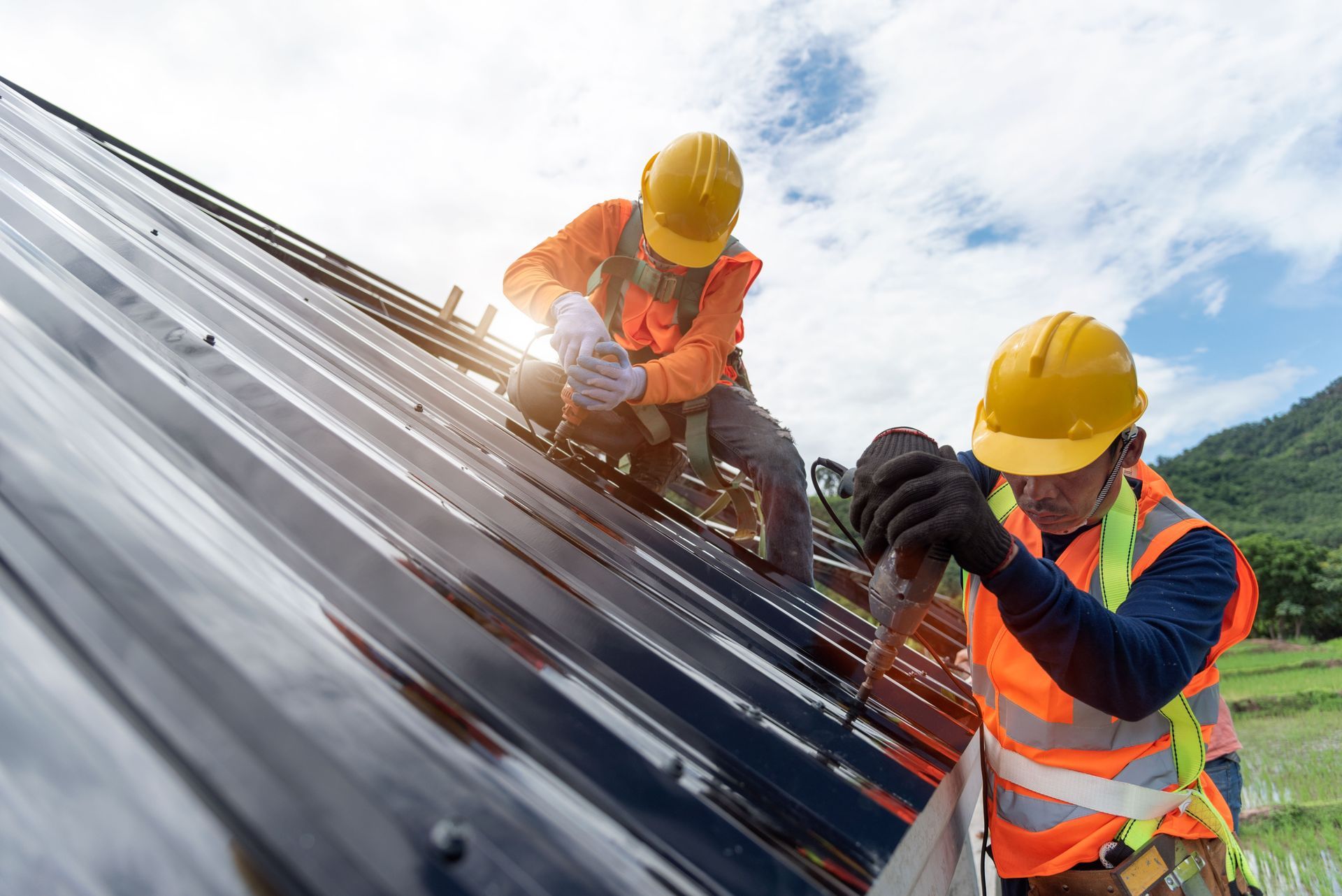
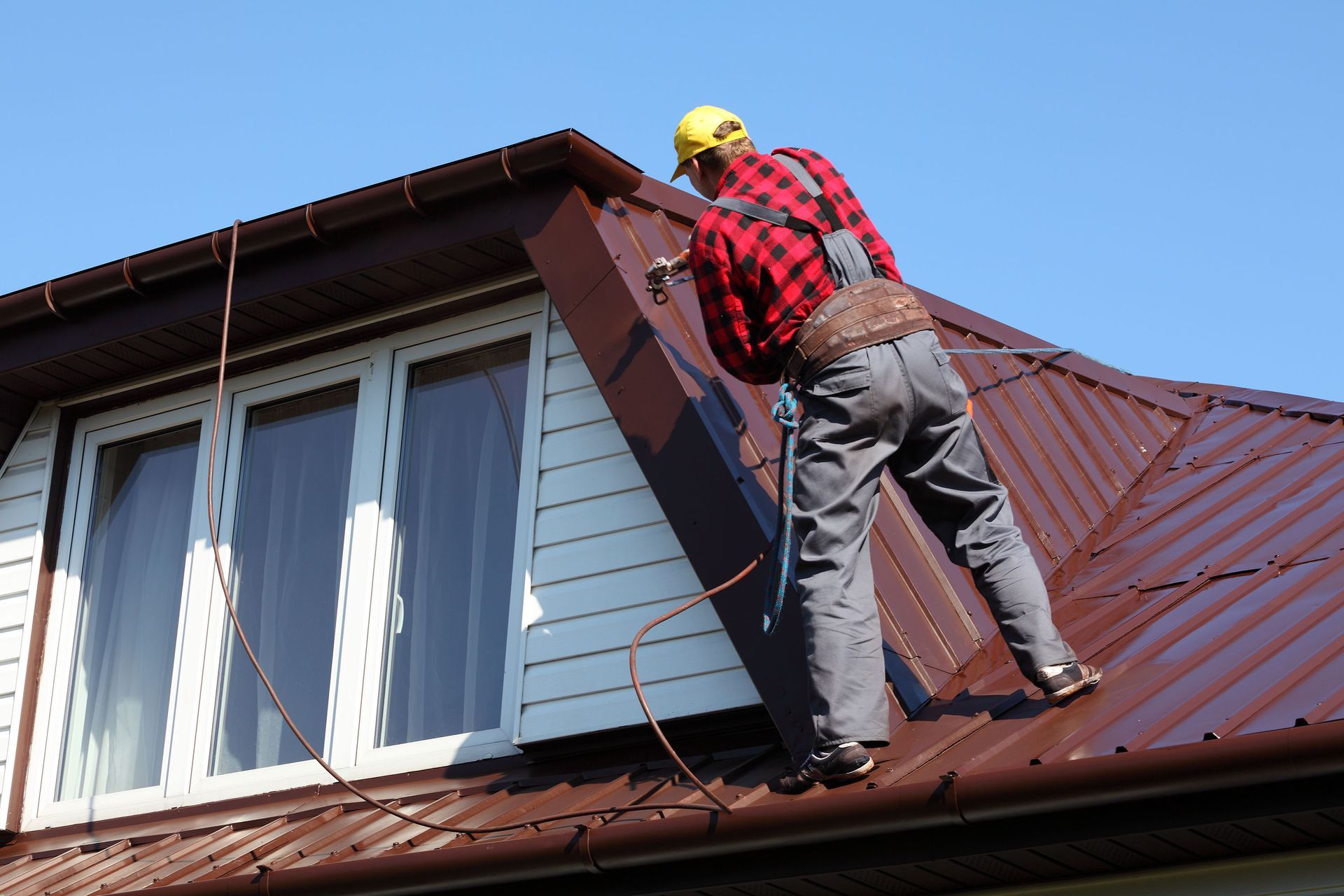
Metal roofs are available in steel, aluminum, copper, and zinc, with steel being the most common choice for commercial buildings. Protective coatings such as galvanized or galvalume finishes help steel resist corrosion, while aluminum performs particularly well in coastal areas because it does not rust.
The primary advantages of metal include durability, fire resistance, weather performance, and long service life. Properly designed systems can withstand strong winds, heavy snow, hail, and substantial temperature changes. The main disadvantages are higher upfront cost, possible noise during rain or hail, and the need to accommodate expansion and contraction. Fasteners, seams, coatings, sealants, and flashing should be inspected periodically. When installed by experienced professionals and maintained appropriately, metal commercial roofing can remain functional for 40 to 70 years or longer.
Green and Vegetative Roofs
A green roof supports living vegetation above a waterproof membrane and drainage assembly. Typical layers include root protection, drainage material, filter fabric, engineered growing medium, and selected plants. Before installation, engineers must confirm that the structure can carry the added weight of saturated soil, vegetation, people, and equipment.
Green roofs can manage stormwater, reduce heat buildup, support urban biodiversity, and improve insulation. However, installation costs are higher than those of many conventional systems, and ongoing care may include irrigation, weeding, fertilization, drainage checks, and plant replacement. The waterproofing layer must remain accessible for inspection and repair, making thoughtful design essential.
Spray Polyurethane Foam Roofing
Spray polyurethane foam is applied as a liquid that expands into a seamless, insulating layer over the roof deck. Once cured, it is protected with an elastomeric coating that shields the foam from sunlight, moisture, and physical damage.
The seamless surface reduces the number of joints where leaks can develop, while the foam's insulating value can improve indoor comfort and energy performance. Successful installation depends heavily on weather conditions, surface preparation, spray technique, and coating thickness. The finished surface may be damaged by sharp objects or frequent traffic, so inspections and recoating are necessary. With proper maintenance, foam commercial roofing can be renewed several times without requiring complete removal.
Factors That Affect Material Selection
The best material depends on more than the initial installation price. Decision-makers should consider the roof slope, structural capacity, local weather, drainage layout, rooftop equipment, foot traffic, interior operations, energy goals, expected ownership period, and available maintenance resources. The roof should also be compatible with the building's insulation, ventilation, and mechanical systems.
Project schedules and building operations should be evaluated before construction begins. Some installation methods involve odors, open flames, noise, or temporary access restrictions that may disrupt employees, customers, tenants, or sensitive interior processes. Discussing these concerns with the installation team allows work to be coordinated around operating hours and safety requirements.
Selecting the Right Material
Comparing lifecycle costs instead of installation price alone can reveal which commercial roofing system offers the strongest value. A lower-cost material may require more frequent repairs or earlier replacement, while a more expensive system may deliver decades of dependable performance. According to Ruby Home, an average roof lasts between 20 and 50 years depending on the type of roof and material quality, making expected lifespan an important factor when evaluating long-term costs. Energy savings, maintenance expenses, disruption risks, and potential tear-off costs should all be included in the financial evaluation.
Professional inspections can also identify trapped moisture, deteriorated insulation, damaged decking, inadequate drainage, or structural concerns before work begins. Addressing these conditions during planning helps prevent change orders and unexpected delays. A qualified roofing professional can explain which materials are compatible with the building and how each option may perform under local conditions.
Keeping accurate records of inspections, repairs, warranties, photographs, and contractor visits helps owners monitor performance and plan future spending. By pairing the right material with professional installation and preventive care, a commercial roofing system can protect the building, support energy goals, and provide dependable value throughout its expected service life. Contact our team at Northshore Exteriors, LLC today and learn more about our roofing services.