September 1, 2026
Roofing emergencies can happen when least expected, leaving homeowners scrambling for immediate, effective solutions to protect their families and safeguard their financial investments. Promptly addressing residential roof repairs is essential to protecting your property, preventing severe secondary structural damage, avoiding hazardous indoor mold, and keeping your entire household completely safe. From unexpected storm damage to age-related wear, taking swift, decisive steps ensures that minor issues do not evolve into major financial burdens over time. Knowing how to assess, mitigate, and resolve these critical issues efficiently can save you stress, time, and money while preserving the long-term market value of your real estate investment.
Understanding the Importance of Immediate Action
Identifying the signs of a roofing emergency early is crucial for any property owner attempting to maintain a sound structure. Common indicators include visible interior water leaks, sagging roof decks, missing shingles, or compromised flashing following severe weather. While initial damage might seem minor, delaying necessary interventions allows moisture to seep deep into structural timber, ceiling drywall, and critical insulation layers. Ignoring these early warning signs jeopardizes the safety of your home and leads to exponentially higher restoration costs over time.
Beyond physical damage, delaying repairs carries severe financial, legal, and insurance implications for the building owner. Most homeowners insurance policies explicitly mandate that property owners take reasonable, timely steps to mitigate further damage after a loss event occurs. Neglecting immediate care can result in denied claims or reduced payouts, leaving you personally responsible for costly structural fixes. According to Home Advisor, removing and replacing siding takes seven to 14 days, illustrating the extended timeline and widespread disruption that severe, unaddressed exterior damage can inflict on a home.
Furthermore, an unaddressed roof issue directly threatens your home's overall security and interior safety. Uncontrolled water ingress quickly fosters toxic mold growth and can seep into electrical conduits, creating serious fire hazards or short circuits. Structural weakening also increases the likelihood of catastrophic ceiling collapses during subsequent storms or high winds. By prioritizing timely residential roof repairs, you preserve your property's structural integrity, safeguard your loved ones, and uphold overall property value against future weather events.
Conducting a Preliminary Damage Assessment
Safety must always remain your top priority when inspecting roof damage after a severe weather event. Homeowners should strictly avoid climbing onto a compromised roof whenever possible, especially immediately following a storm when surfaces remain slick and unstable. Instead, conduct your preliminary evaluation safely from the ground using high-powered binoculars or a high-resolution camera setup. If high-risk areas require closer inspection, utilizing a drone or contacting an experienced contractor is far safer than attempting a hazardous climb yourself.
Thorough documentation is vital for filing smooth, successful insurance claims with your provider. Take detailed photos and high-definition video footage of all visible damage from multiple angles, ensuring you capture both interior water marks and exterior shingle displacement. Maintain a written log noting the date, time, weather conditions, and progression of any active leaks. This detailed visual evidence substantiates your claims, streamlines communication with insurance adjusters, and provides repair crews with precise context before they arrive to the site.
Identifying the exact source of a leak requires a systematic approach, as water frequently travels along rafters before dripping down through the ceiling. Hiring a licensed roofing professional for a second opinion provides expert clarity on underlying structural risks that an untrained eye might miss. Partnering with a skilled specialist ensures all critical areas are prioritized correctly, laying the groundwork for durable, long-term residential roof repairs.
Employing Temporary Measures to Mitigate Damage
Applying heavy-duty waterproof tarps over damaged sections is one of the most effective temporary containment measures available to homeowners. Securely anchoring a tarp prevents incoming rain from worsening existing leaks while you wait for professional crews to arrive with permanent materials. Take care to extend the tarp over the roof ridge to prevent strong winds from catching the edges, but ensure installation is done safely without causing further structural harm to compromised decking.
Clearing accumulated storm debris from your roof surface and drainage systems is another essential step in preventing secondary water buildup. Fallen tree branches, dense foliage, and clogged gutters trap standing water, adding excessive weight to the structure and forcing water beneath remaining shingles. Ensuring gutters and downspouts remain completely clear allows rainwater to flow freely away from your foundation and roofline, significantly reducing internal pressure on vulnerable entry points.
For active interior leaks, temporary internal measures can help manage water ingress until permanent fixes occur. Place durable buckets beneath dripping ceilings, catch runoff, and apply temporary commercial leak sealants or waterproof patching putty to accessible internal rafters. While these short-term fixes buy critical time during an active storm, they must always be followed up with professional residential roof repairs to guarantee lasting protection for the home.
Hiring Professional Roofing Services
Selecting the right contractor is key to long-term peace of mind, structural durability, and quality craftsmanship. When dealing with urgent situations, prioritize fully licensed, bonded, and insured local roofing companies with established community reputations and verified credentials. Request written estimates, verify their emergency response availability, and check past customer reviews to ensure they specialize in comprehensive restoration work rather than quick, temporary cosmetic patches.
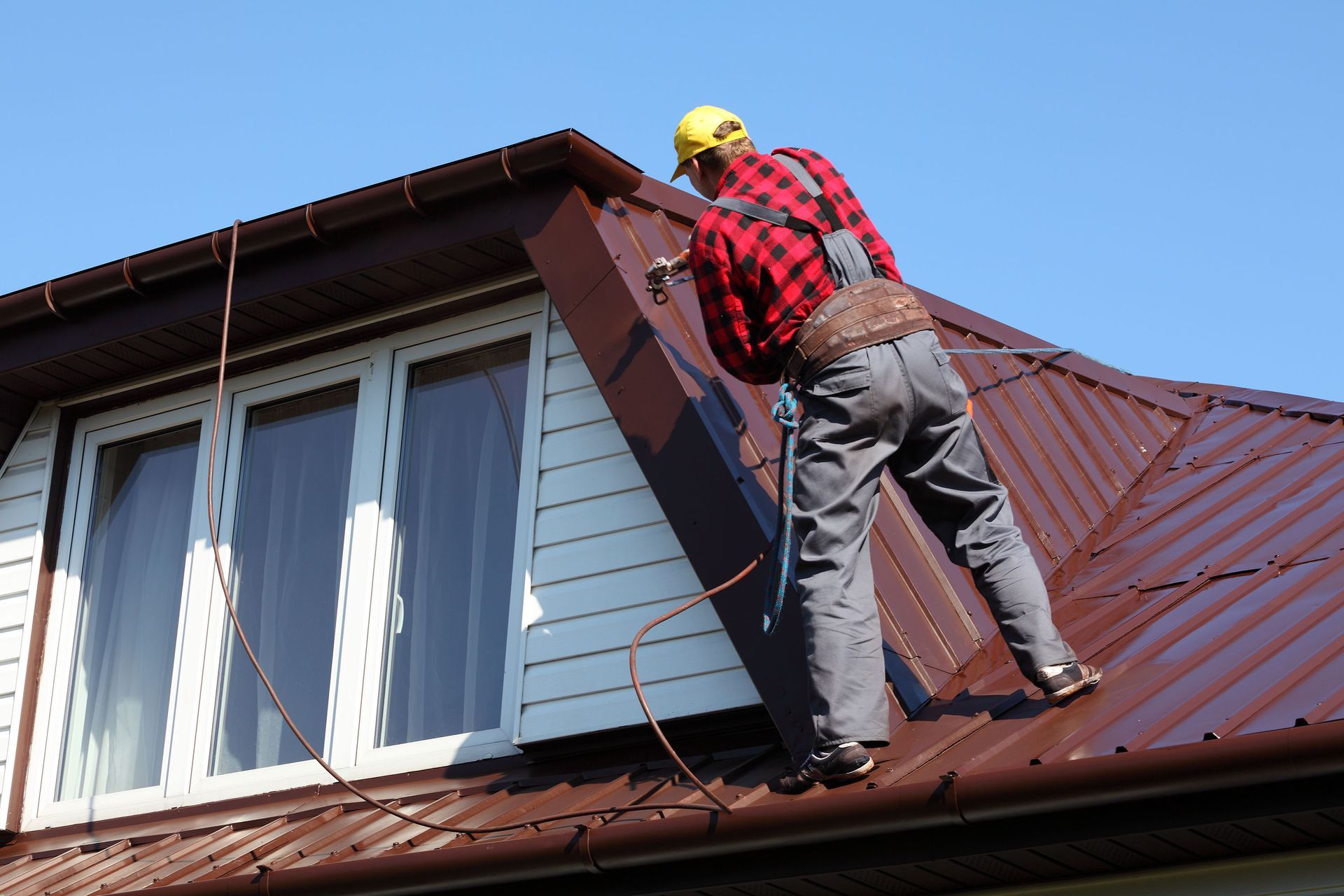
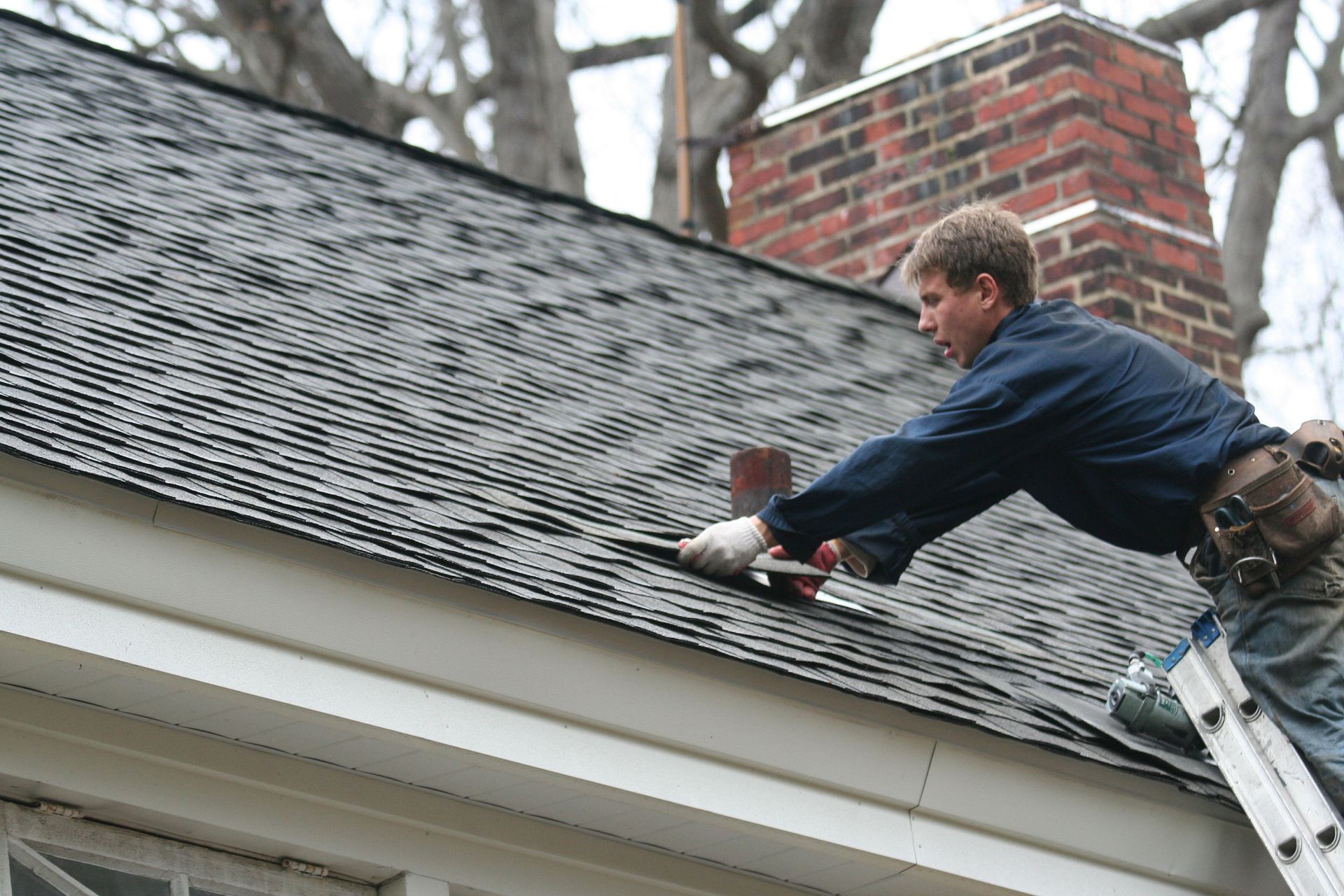
Professional roofers possess the technical expertise, specialized equipment, and advanced safety gear required to handle complex structural challenges efficiently. They can conduct deep non-destructive testing, locate hidden moisture pockets behind walls, and execute repairs in strict compliance with local building codes. Relying on certified experts guarantees that all materials and workmanship meet strict industry standards, fully safeguarding your manufacturer warranties for years to come.
In addition to executing physical repairs, seasoned contractors serve as invaluable advocates during the complex insurance claims process. They can meet directly with your insurance adjuster, provide itemized labor and material assessments, and ensure all necessary repair scope items are accurately covered in your policy settlement. Working alongside trusted specialists streamlines the entire restoration journey, helping you return your home to optimal condition as quickly as possible.
Maintaining Your Roof to Prevent Future Emergencies
Establishing a routine preventative maintenance schedule is the best defense against unexpected roofing crises and expensive structural repairs. Schedule professional inspections at least twice a year, typically in spring and autumn, and immediately following major weather events in your local area. Regular checkups allow technicians to identify aging flashing, cracked sealants, and loose shingles long before they escalate into active indoor leaks during a major storm.
Keep surrounding trees neatly trimmed to minimize the risk of overhanging branches crashing onto your roof during high-wind storms. Regularly cleaning gutters and downspouts prevents leaf buildup and ice damming, ensuring proper water discharge year-round and keeping moisture away from your roof edge. Simple proactive maintenance habits significantly extend the lifespan of your roofing materials while preserving overall indoor energy efficiency.
Investing in high-quality, weather-resistant materials during scheduled replacements further fortifies your home against future environmental hazards and extreme climate conditions. Quality underlayment, impact-resistant shingles, and modern ventilation systems work together to keep your home dry, comfortable, and secure. When unexpected storm damage strikes, addressing your residential roof repairs without delay protects your structural investment for decades to come. For more information about the services that we offer, reach out to our incredible team at Northshore Exteriors, LLC today!