September 3, 2026
Understanding the nuances of siding installation can save homeowners time, money, and stress. Experienced industry professionals know that a successful exterior renovation requires careful planning long before the first panel is attached. From selecting the ideal materials to preparing your property for installation day, this guide explores essential insights that top siding companies wish every homeowner knew. Equipping yourself with this foundational knowledge ensures a seamless installation process, maximizes your return on investment, and guarantees lasting protection for your property.
Understanding Your Siding Options
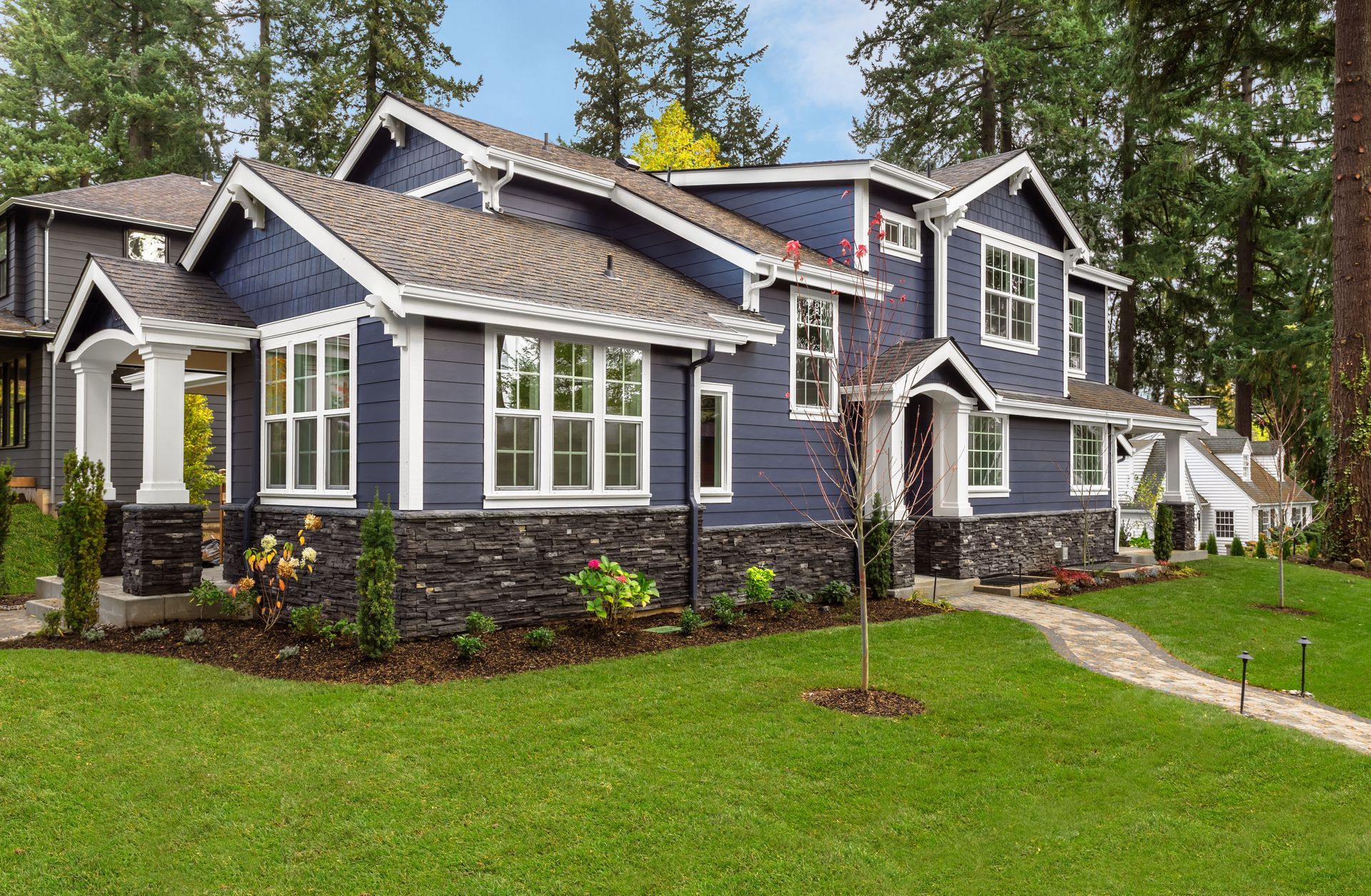
The choice of siding material significantly impacts your home's appearance, overall cost, and long-term maintenance requirements. Vinyl, fiber cement, wood, and aluminum are among the most popular options available today. Vinyl siding is widely celebrated for its affordability and minimal upkeep, whereas fiber cement delivers unmatched durability and beautifully replicates the appearance of natural timber. Traditional wood siding appeals to homeowners seeking classic architectural charm, though it demands routine painting and sealing. By comparing these materials early on, you can select an option that fits your aesthetic vision and daily lifestyle.
It is equally critical to account for your local climate when evaluating siding options. Homes situated in coastal or high-humidity regions benefit greatly from fiber cement due to its inherent resistance to moisture damage, warping, and fungal decay. Conversely, high-grade vinyl performs reliably across diverse weather conditions, making it a highly versatile choice for varied seasons. Additionally, different materials possess distinct thermal properties that influence your home's overall energy efficiency. Reviewing these climate factors with professional siding companies ensures you select a product that balances structural protection with long-term cost-effectiveness.
Every siding material carries distinct environmental implications that may align with your personal values. While vinyl is cost-effective, its petroleum-based manufacturing process is more resource-intensive than organic alternatives. On the other hand, fiber cement is manufactured from sustainable raw materials, offering a resilient option for eco-conscious households. Responsibly harvested wood siding also provides an environmentally friendly solution derived from renewable resources. Evaluating the complete lifecycle and environmental impact of each material empowers you to make a choice that supports both your home improvement goals and personal values.
Evaluating the pros and cons of specific materials clarifies what to expect over time. Vinyl siding remains a dominant choice due to its lower initial cost and vast selection of colors and textures. It stands up well against severe weather without requiring frequent repainting. However, lower-grade vinyl can warp under extreme heat, and some homeowners prefer the authentic depth of natural materials. Understanding these trade-offs helps you decide whether vinyl aligns with your long-term expectations.
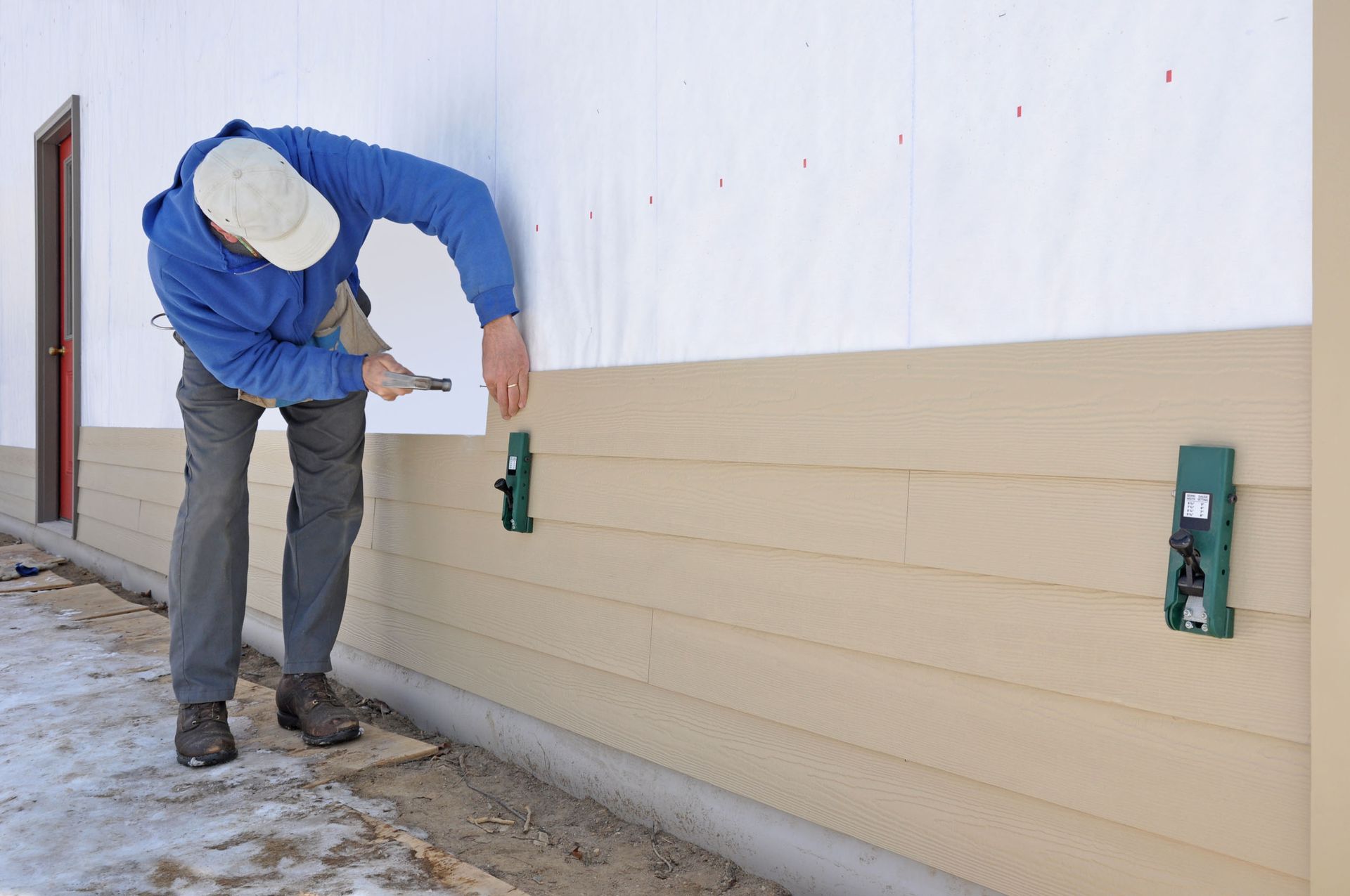
Fiber cement siding has gained immense popularity by striking a balance between refined aesthetics and heavy-duty resilience. Composed of sand, cement, and cellulose fibers, it is completely resistant to fire, rot, and wood-boring insects. This makes it an ideal investment for areas prone to harsh weather or wildfires. Although its heavy weight requires specialized tools and professional handling, its incredible longevity makes it a highly economical choice over the lifespan of your home.
For those drawn to timeless character, wood siding offers unmatched natural warmth and beauty. It can be customized with various stains and paints to suit any architectural style. However, homeowners must remain committed to its ongoing maintenance schedule. Routine sealing and prompt repairs are essential to prevent moisture intrusion and pest damage, ensuring the structure remains sound for decades to come.
Budgeting for Your Siding Project
Accurately budgeting for an exterior renovation requires a clear understanding of the cost differences among siding products. Vinyl typically represents the most budget-friendly upfront option, featuring low material costs and simple installation requirements. Fiber cement occupies a mid-to-high price range, though its durability and low maintenance needs justify the initial expense. Natural wood carries higher upfront material costs alongside recurring maintenance expenses. Evaluating these financial distinctions with reputable siding companies ensures your project stays on track without unexpected financial strain.
Labor expenses constitute a substantial portion of your overall project budget, reflecting regional market rates and the complexity of the installation. Experienced contractors who specialize in heavy or intricate materials like fiber cement charge rates that reflect their advanced technical expertise. The existing condition of your home's exterior also influences labor costs, as removing old siding, repairing rotten wall sheathing, and applying weather-resistant barriers require additional time and skill.
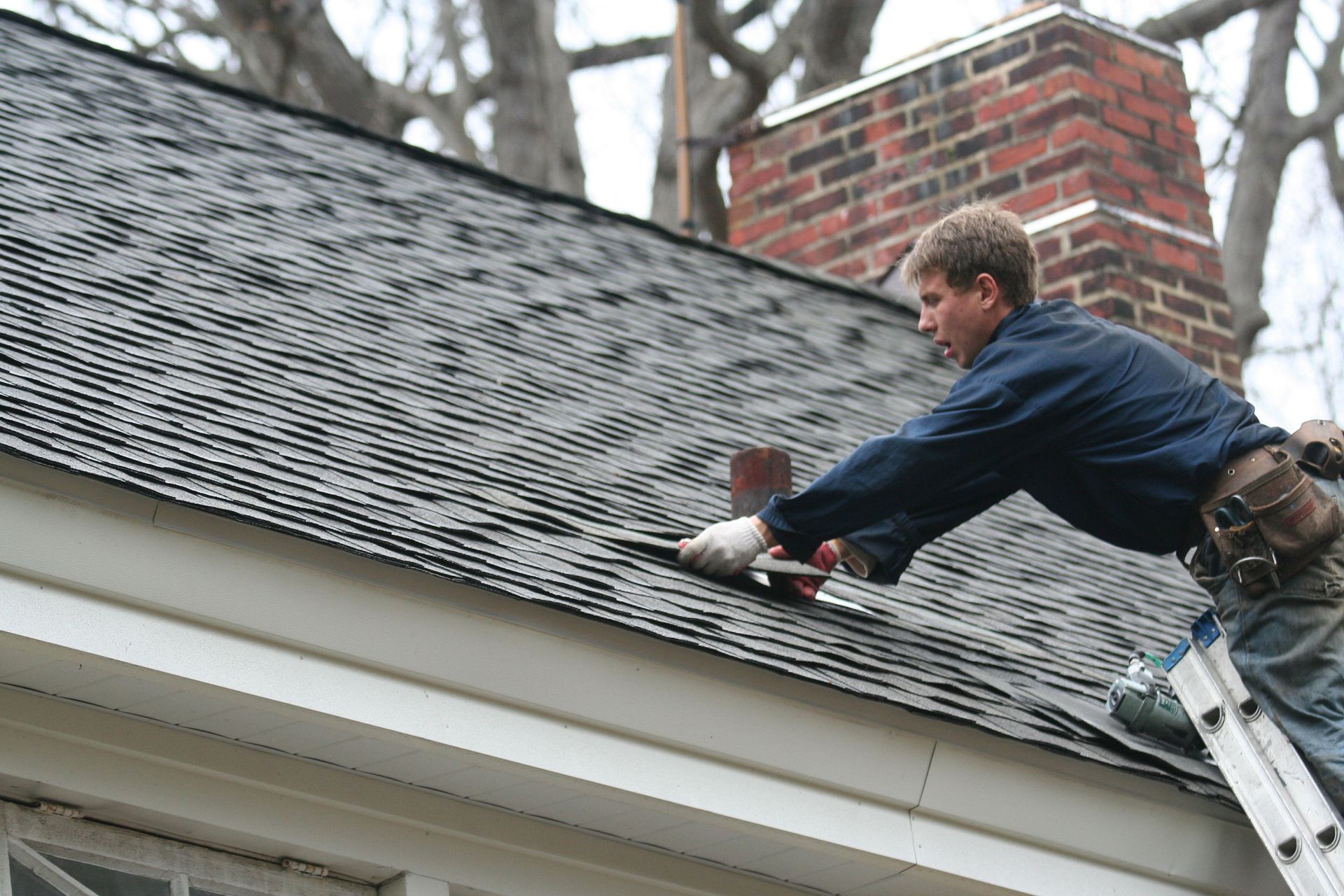
According to This Old House, the average U.S. roofing business has at least three employees. This common operational structure highlights how labor calculations are tied directly to crew size, hourly rates, and estimated project timelines. Working closely with established siding companies allows you to obtain detailed, itemized estimates that account for crew labor, material delivery, structural site preparation, and complete post-installation cleanup.
Beyond basic material and labor fees, homeowners should always prepare for potential hidden costs during an exterior renovation. Unforeseen structural issues, such as hidden water damage, termite activity, or compromised insulation beneath the old siding, can inflate budgets once demolition begins. Setting aside a dedicated contingency fund—typically 10% to 20% of the total estimate—provides a comfortable financial buffer to address these necessary repairs without delaying the installation.
Financing options can also make high-quality exterior upgrades far more accessible. Many homeowners utilize personal loans, home equity lines of credit, or specialized contractor financing plans to spread project costs over manageable monthly payments. Furthermore, installing energy-efficient siding products may qualify you for local utility rebates or federal tax incentives, helping offset your initial capital investment while reducing ongoing energy bills.
To maximize your budget, consider implementing proven cost-saving strategies recommended by industry experts. Scheduling your project during off-peak seasons can often yield lower contractor rates and shorter wait times. Additionally, requesting bids from multiple certified siding companies helps you compare pricing structures, warranty coverage, and included services, ensuring you receive the absolute best value for your investment.
Choosing the Right Contractor and Preparing Your Property
Selecting a qualified installation team is the most critical decision in your entire siding project. When interviewing potential contractors, ask detailed questions regarding their specific experience with your chosen material. Inquire about their licensing, comprehensive liability insurance, and manufacturer certifications. Reputable siding companies will eagerly provide portfolios of recent local projects and offer client references to demonstrate their workmanship and professional reliability.
Understanding the warranty coverage provided by both the material manufacturer and the installer is equally crucial. A robust material warranty protects against product defects, color fading, and premature degradation, while a contractor's workmanship warranty covers installation errors. Clarifying these terms before signing a contract guarantees long-term protection and peace of mind for your investment.
Preparing your property prior to the installation crew's arrival significantly streamlines the construction process. Clear the perimeter of your home by trimming back overhanging tree branches, cutting back dense shrubbery, and moving patio furniture, grills, and garden hoses away from the work zone. Removing fragile indoor wall decorations is also recommended, as heavy hammering can cause interior vibrations.
Establishing clear communication with your contractor throughout the installation phase prevents misunderstandings and keeps the project moving smoothly. Discuss daily working hours, designated material staging areas, driveway access, and site cleanup expectations beforehand. A proactive, communicative approach ensures a safe work environment and guarantees that the finished project perfectly aligns with your expectations.
A successful siding installation depends on informed decision-making, accurate budgeting, and partnering with experienced professionals. By taking the time to compare siding materials, understand labor requirements, and properly prepare your property, you set the stage for a smooth, stress-free exterior transformation. Investing in high-quality materials and expert craftsmanship enhances your home's curb appeal, improves thermal efficiency, and provides long-lasting protection against the elements. When you are ready to elevate your home's exterior with superior craftsmanship and reliable service, contact the trusted team at Northshore Exteriors, LLC to schedule your personal consultation.