October 8, 2026
Siding is one of the most visible components of a home, so it is easy to think of it primarily as a design feature. The color, texture, and style of exterior materials can certainly influence how a property looks from the street. However, siding serves several practical purposes that extend far beyond appearance. It forms part of the protective exterior system of a house and can affect how the structure responds to moisture, temperature changes, weather exposure, and everyday wear.
Because siding performs several functions at once, its condition can have consequences throughout the home. Materials that are damaged, deteriorated, loose, or poorly installed may leave vulnerable areas exposed to environmental conditions. Homeowners considering exterior improvements can benefit from understanding these broader responsibilities before choosing materials or planning replacement work. Experienced siding contractors can evaluate existing materials and help homeowners consider both appearance and long-term exterior performance.
How Siding Helps Protect the Home From Weather
A home’s exterior is continually exposed to changing weather conditions. Rain, wind, humidity, sunlight, and temperature fluctuations can all place stress on exterior materials. Siding provides an important layer between these conditions and the underlying components of the structure. When the material is properly installed and maintained, it helps direct moisture away from areas where prolonged exposure could contribute to deterioration.
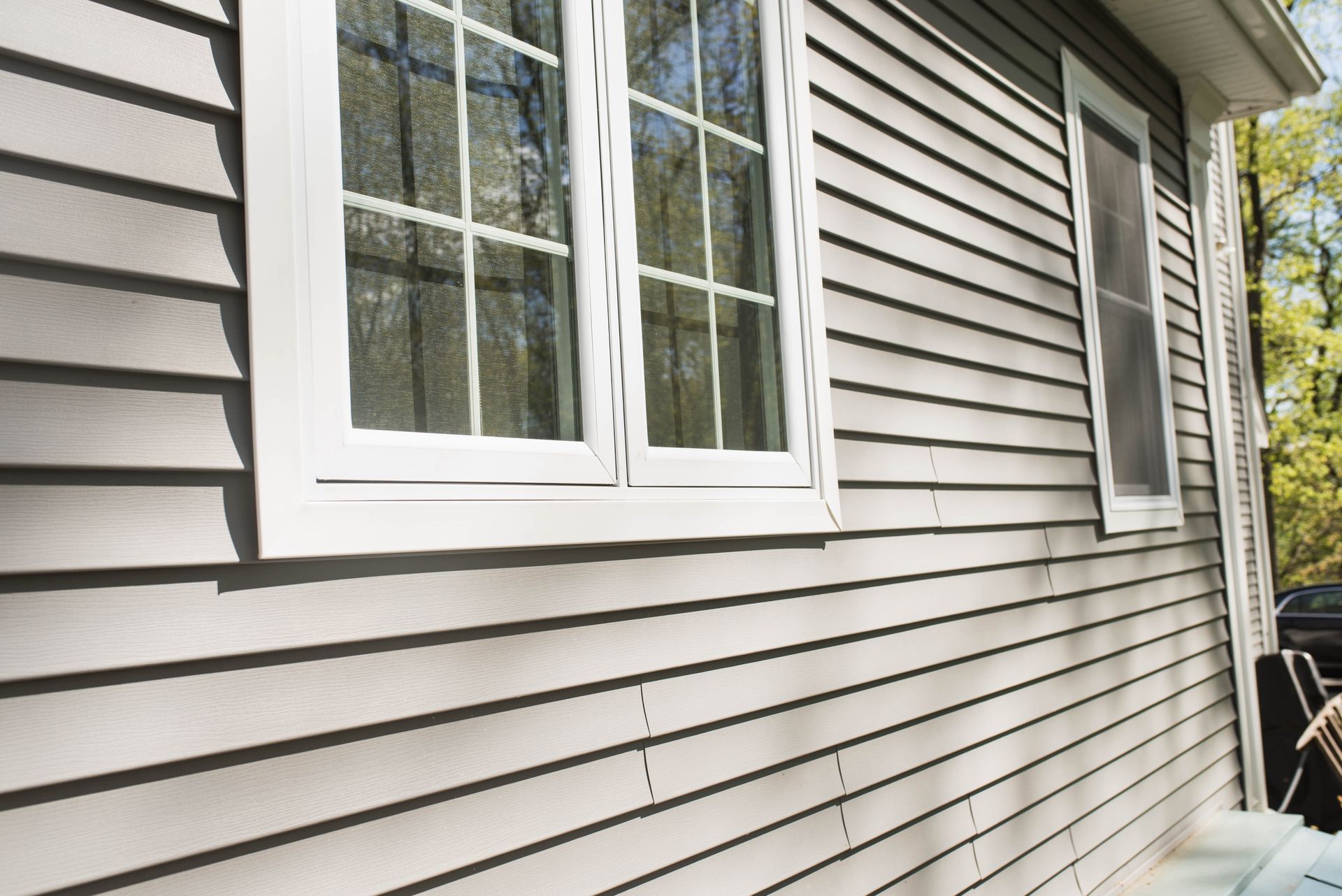
Weather protection becomes particularly important as siding ages. Cracks, gaps, loose panels, warping, or other visible changes may create areas where moisture can reach materials underneath the exterior surface. These issues are not always obvious from inside the house, which means exterior concerns can develop before homeowners recognize their full extent.
How Siding Helps Manage Moisture Around the Structure
Moisture management is closely connected to weather protection, but it deserves separate consideration because water can affect multiple parts of a home’s exterior system. Siding is designed to work alongside other exterior components to help control how water moves around the structure. When the system is functioning correctly, moisture is less likely to remain trapped against vulnerable building materials.
Homeowners may also notice signs such as staining, deterioration around seams, or sections that appear different from surrounding materials. Siding contractors can examine these conditions and determine whether the visible issue is isolated to the exterior surface or whether additional areas should be evaluated.
How Siding Helps Support Indoor Comfort
Exterior materials can also influence how comfortable a home feels throughout changing seasons. Siding itself is only one part of the building envelope, but it works with insulation, weather barriers, windows, doors, roofing, and other components that separate indoor living areas from outdoor conditions.
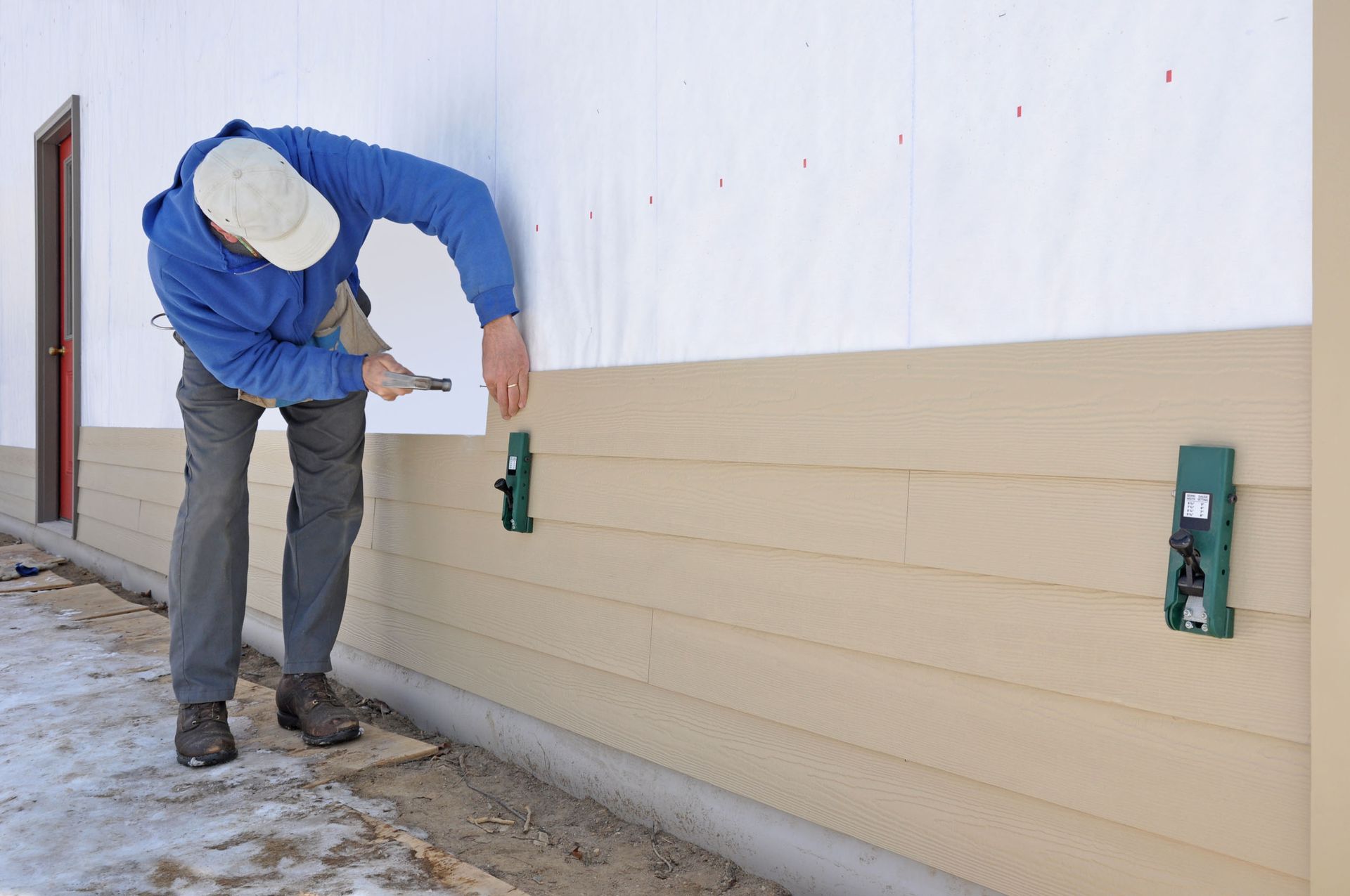
Material selection can also matter when homeowners are planning replacement work. Different siding products have their own performance characteristics, maintenance considerations, and installation requirements. Professional siding contractors can explain available options and help homeowners understand how a particular material fits into the property’s overall exterior system rather than considering appearance alone.
How Siding Helps Reduce Exterior Maintenance Concerns
Every exterior material requires some level of attention over time, but the type and condition of siding can significantly influence ongoing maintenance needs. Aging materials may require more frequent repairs, cleaning, painting, sealing, or monitoring depending on the product. As deterioration progresses, homeowners may find themselves repeatedly addressing individual areas instead of resolving the larger exterior concern.
Replacing worn siding can provide an opportunity to select materials that better align with a homeowner’s maintenance preferences. Some homeowners may prioritize durability, while others may focus on appearance, weather resistance, or ease of care. The appropriate choice depends on the property, climate, existing exterior system, and expectations for future upkeep.
Regular exterior observations are also useful because small changes can indicate that a section deserves closer attention. Siding contractors can assess whether individual repairs are appropriate or whether broader deterioration makes replacement worth considering. This evaluation can help homeowners make decisions based on the actual condition of the exterior rather than appearance alone.
How Siding Helps Preserve Property Value
Exterior condition often influences how a property is perceived, but siding can contribute to value in ways that go beyond creating an attractive first impression. A well-maintained exterior may signal that the home’s protective components have received appropriate attention. Conversely, visibly deteriorated siding can raise questions about whether moisture, weather exposure, or deferred maintenance has affected other areas.
Replacement may also represent a meaningful home improvement investment. According to HomeGuide, homeowners replacing older siding can typically see a return on investment of 75% to 85%, depending on which material they select. That potential return demonstrates why siding replacement can be considered both an exterior improvement and part of a broader approach to maintaining a property.
Value considerations should still be balanced with practical needs. A homeowner may choose replacement because materials are deteriorating, because ongoing repairs have become inconvenient, or because the existing exterior no longer meets expectations. Qualified siding contractors can help assess these factors so homeowners have useful information when determining whether repair or replacement is appropriate.
How Siding Helps Create a More Complete Exterior System
A home does not rely on any single component for exterior protection. Roofing, gutters, windows, doors, flashing, insulation, weather barriers, and siding all have distinct responsibilities. Their effectiveness also depends on how well they work together. For this reason, siding should be viewed as part of an interconnected exterior system rather than simply as decorative cladding.
Changes in one area can sometimes affect surrounding components. Damage near windows or doors, for example, may require attention to the way exterior materials meet around those openings. Similarly, deterioration near rooflines or other transitions may need to be evaluated in the context of adjacent materials. Looking at the exterior as a complete system can make it easier to identify the underlying source of a concern.
Professional siding contractors can evaluate how siding interacts with these neighboring components. That broader perspective is valuable when planning exterior improvements because replacing a visible surface without considering surrounding conditions may leave other concerns unresolved. A comprehensive assessment can help ensure that decisions reflect both the immediate issue and the home’s overall exterior needs.
How Siding Helps Homeowners Plan for the Long Term
Siding decisions often have long-term implications because exterior materials are expected to withstand repeated exposure to the elements. Choosing a material based only on its initial appearance may overlook considerations such as maintenance requirements, durability, compatibility with the home, and expected performance in local conditions.
Homeowners can benefit from comparing materials based on how they expect to use and maintain their property over time. Some may prefer an exterior that requires relatively limited routine attention, while others may prioritize a particular architectural appearance. Budget, existing construction, and plans for the property can also influence the decision.
This is where knowledgeable siding contractors can provide useful guidance. By examining the existing exterior and discussing material characteristics, they can help homeowners understand which options align with both practical needs and design preferences. Considering these factors together can lead to a more informed exterior improvement plan.
How Siding Helps Protect More Than Appearance
Curb appeal remains an important benefit of siding, but it represents only one part of the material’s role. Siding contributes to weather protection, moisture management, indoor comfort, maintenance planning, property value, and the overall performance of a home’s exterior system. Its condition can therefore matter even when cosmetic appearance is not a homeowner’s primary concern.
Paying attention to exterior changes can help homeowners recognize when siding deserves professional evaluation. Cracking, warping, loose sections, deterioration, or other visible concerns may indicate that the material is no longer providing the level of protection expected from it. Rather than viewing these conditions solely as visual imperfections, homeowners can consider what they may mean for the broader exterior.
Understanding these responsibilities makes it easier to approach siding repair or replacement as a practical home maintenance decision. Evaluating the entire exterior and selecting appropriate materials can help homeowners protect their property while also achieving the appearance they want.
At Northshore Exteriors, LLC, we understand that siding is about more than changing the way a home looks. We can help evaluate your exterior, discuss your concerns, and explain siding options that fit your property’s needs. Contact us to learn more about how our team can help you plan an exterior improvement with protection, performance, and appearance in mind.